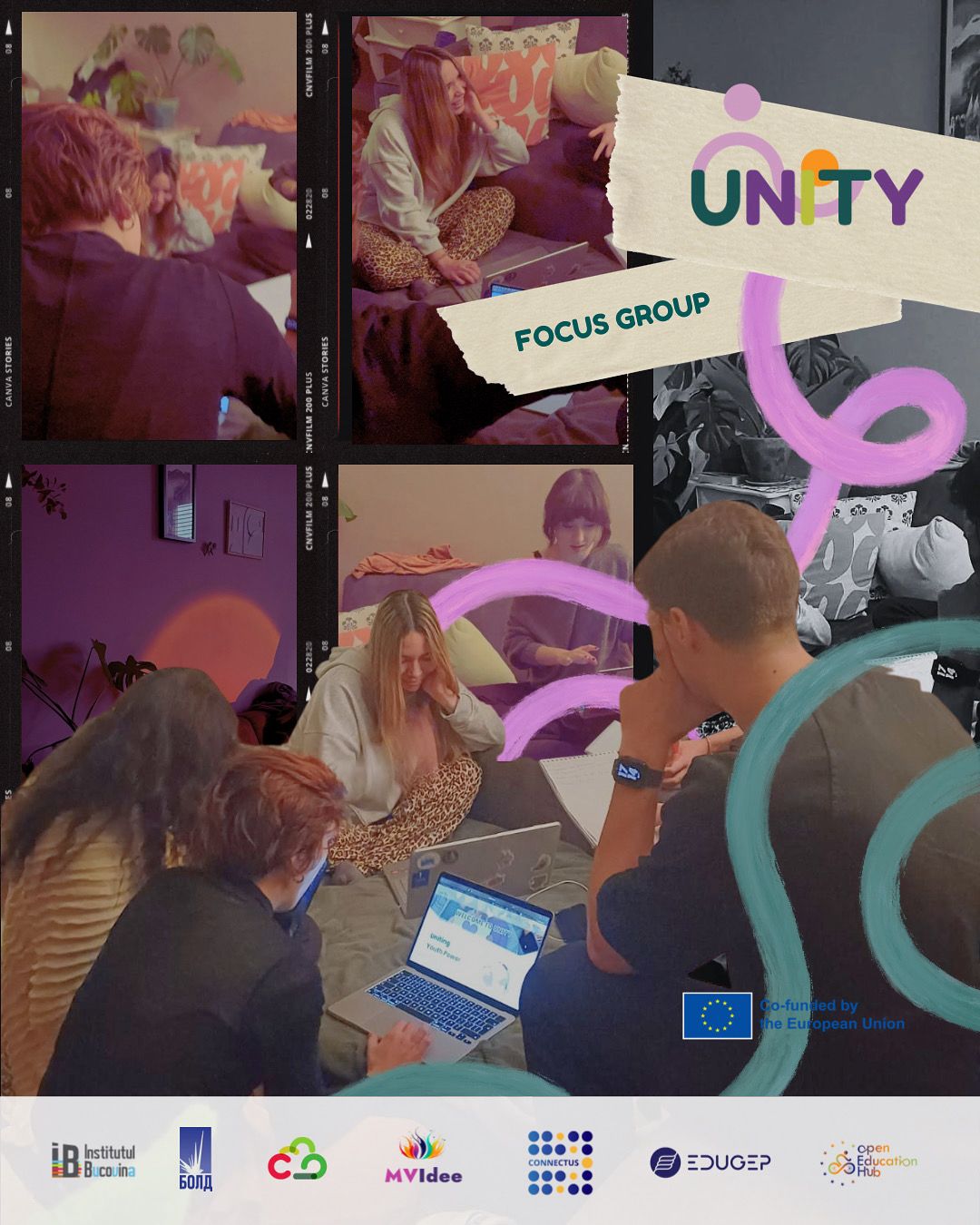
This week we held a small youth focus group in the Netherlands as part of the @unity_project_cerv — a conversation that turned out to be honest, sharp, and sometimes difficult, but deeply needed. The session brought together six LGBTQ+ young people from different backgrounds to talk about how online hate speech shows up in their everyday lives.
They shared what they encounter across TikTok, Instagram, and Twitter/X: the open hostility, but also the quieter forms of harm — stereotypes disguised as “jokes,” coded comments, and the kind of negativity that slips through because platforms don’t fully recognise it.
A striking contrast emerged: while Dutch universities generally feel safe and supportive, online spaces remain uneven. Algorithms shape what people see, sometimes hiding negativity, sometimes amplifying it in ways that feel unpredictable and isolating. The participants also pointed out gaps in platform moderation, the need for more inclusive education, and the importance of stronger action at European level to protect LGBTQ+ youth online.
Their insights are now feeding into UNITY’s broader research on how hate speech is experienced, understood, and challenged across Europe — and how we can support young people not only to recognise harmful narratives but to push back safely and confidently.
More findings from the project will be shared soon.
#UNITYProject #YouthAgainstHate #DigitalSafety #LGBTQYouth#EUYouthWork #CERVProgramme
🇪🇺 This publication was co-funded by the European Union. Its contents are the sole responsibility of MVidee and do not necessarily reflect the views of the European Union.