


Regenerative Visions:
Young people’s art and creativity for a sustainable tomorrow
Project Status: Ongoing
Duration: March 2025-January 2026
Location: The Hague, Netherlands
Target Group(s): Young people (15-30), youth leaders, youth organizations
Associated Partner(s): The Hague University of Applied Sciences
Funded by: Connect for Global Change
Oveview
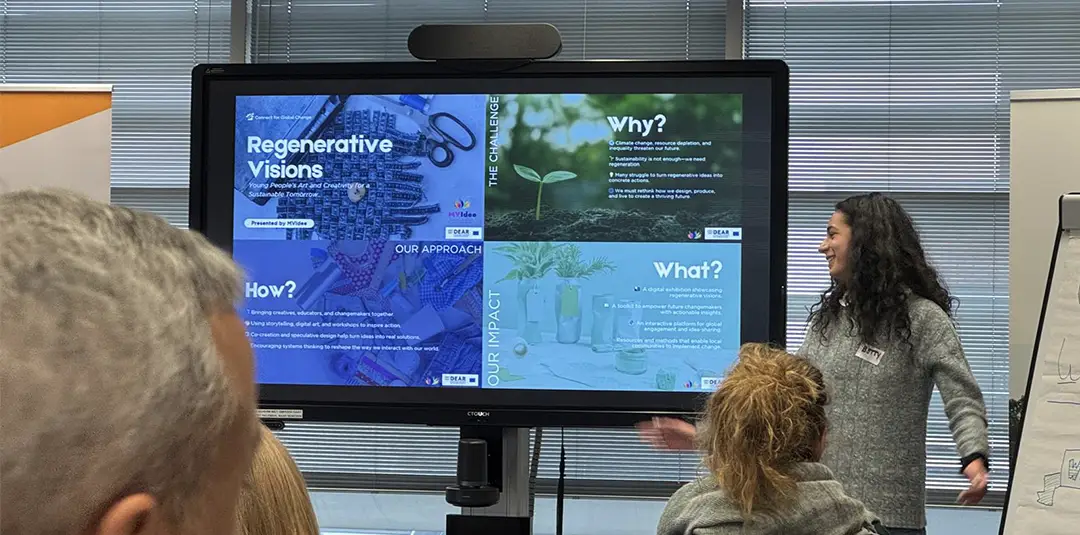
Regenerative Visions engages young people in using art, storytelling, and creative media to explore solutions for climate change and unsustainable consumption. The project empowers youth to adopt regenerative practices, deepen their understanding of the circular economy, and amplify their voices on sustainability through creative outputs that inspire action.
Objectives
- Equip youth with knowledge and skills to advocate for regenerative practices.
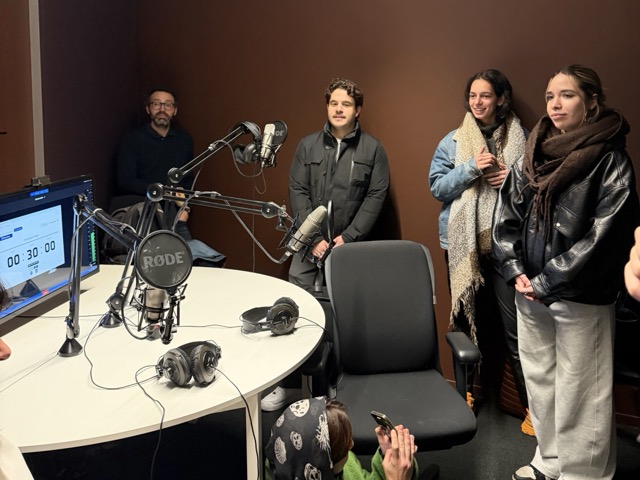
- Use creative methods - art, film, and podcasts - to promote climate action.
- Foster inclusive dialogue on sustainability by involving diverse youth groups.
- Support youth leaders in applying regenerative practices within their communities.
Activities
- Self-Assessment Tool: Measuring participants’ sustainability knowledge and growth.
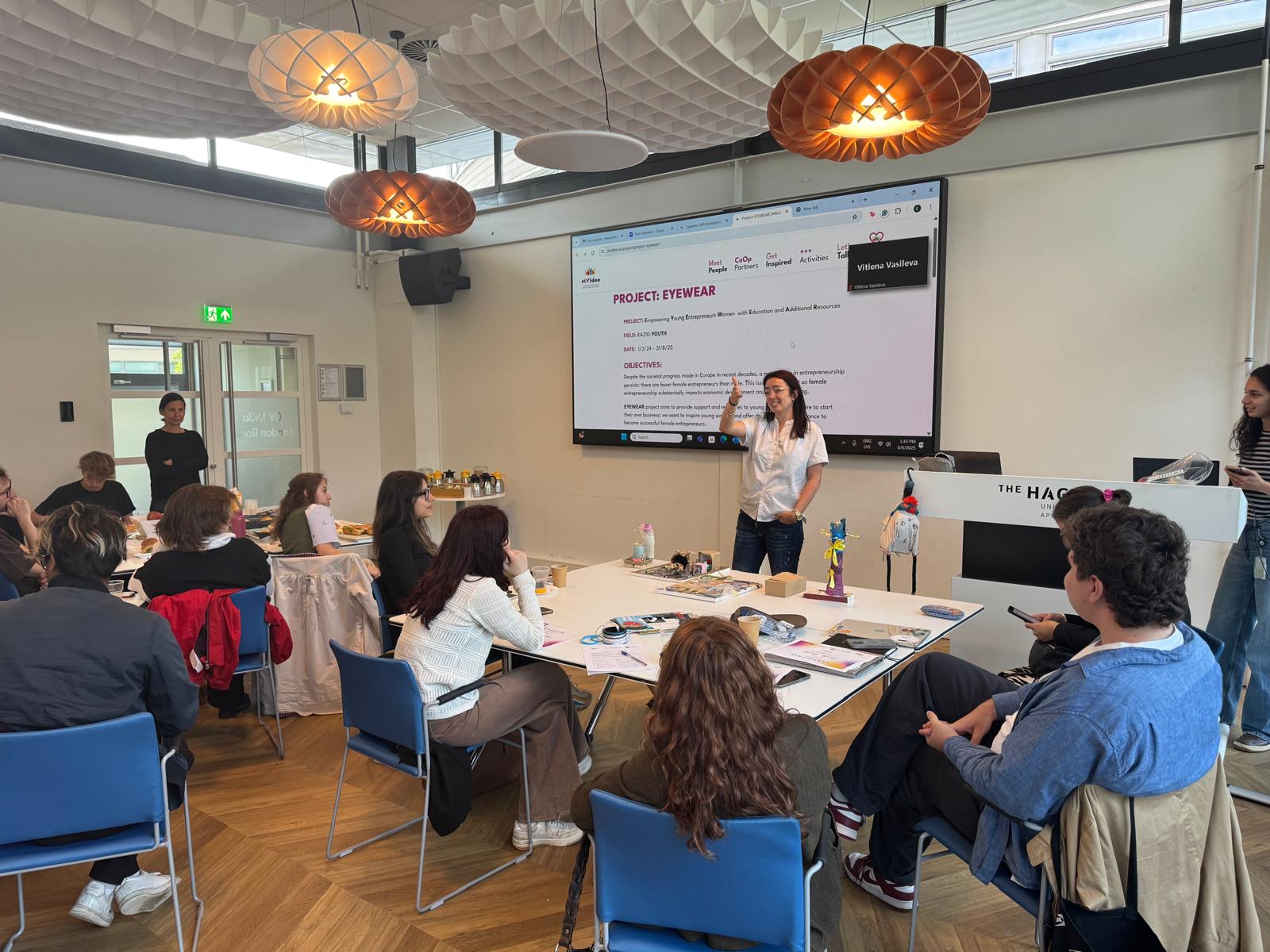
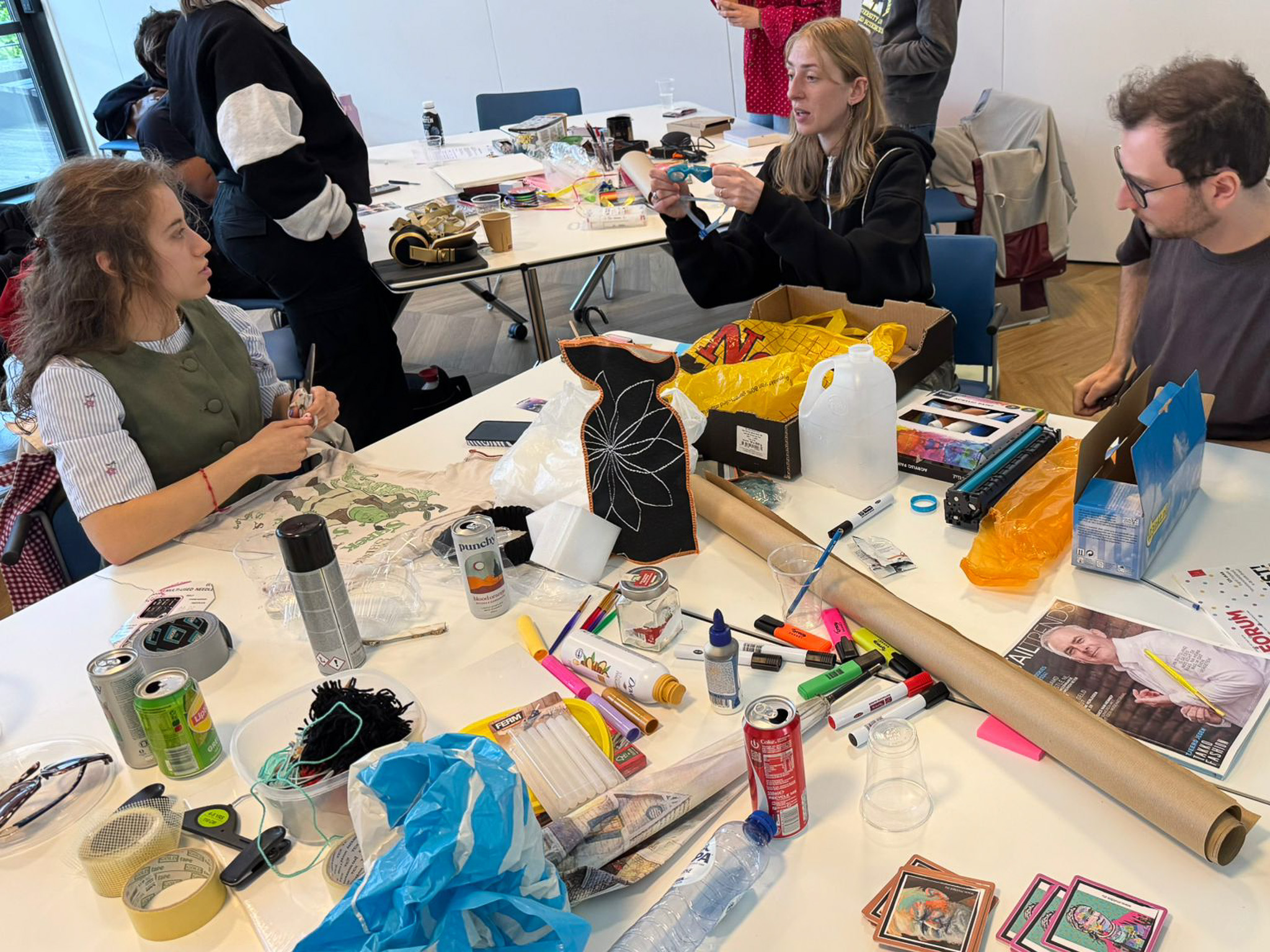
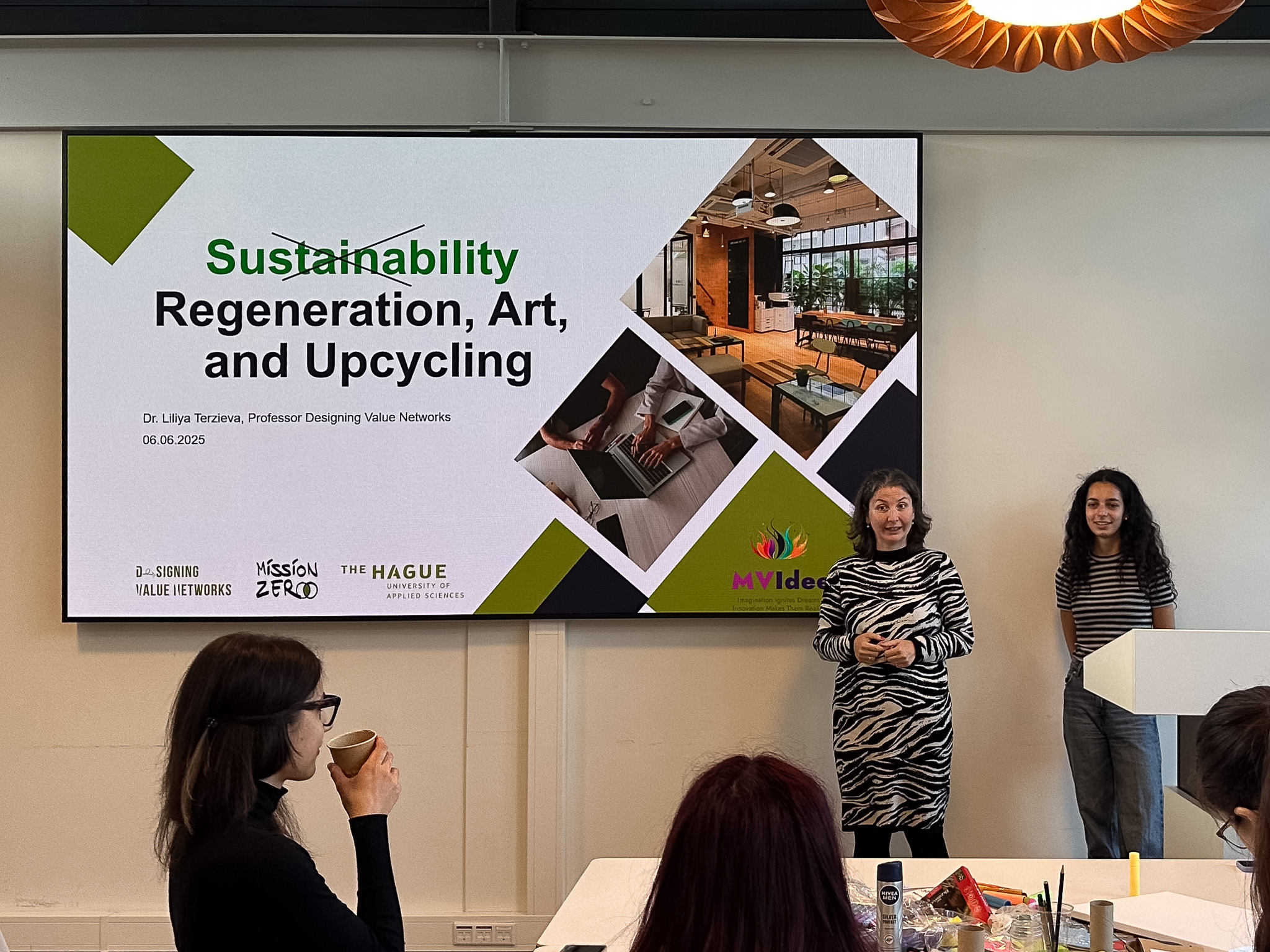
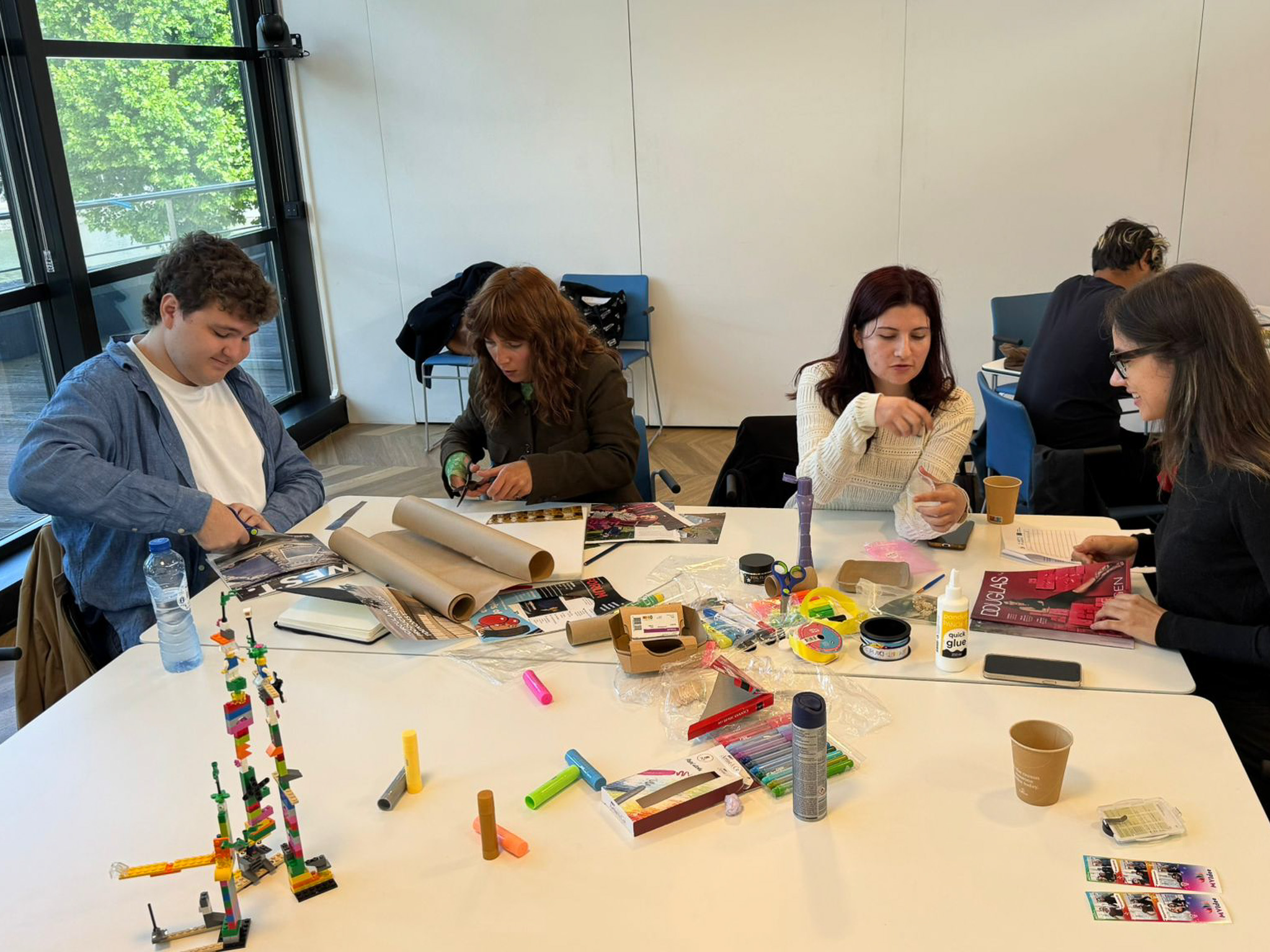
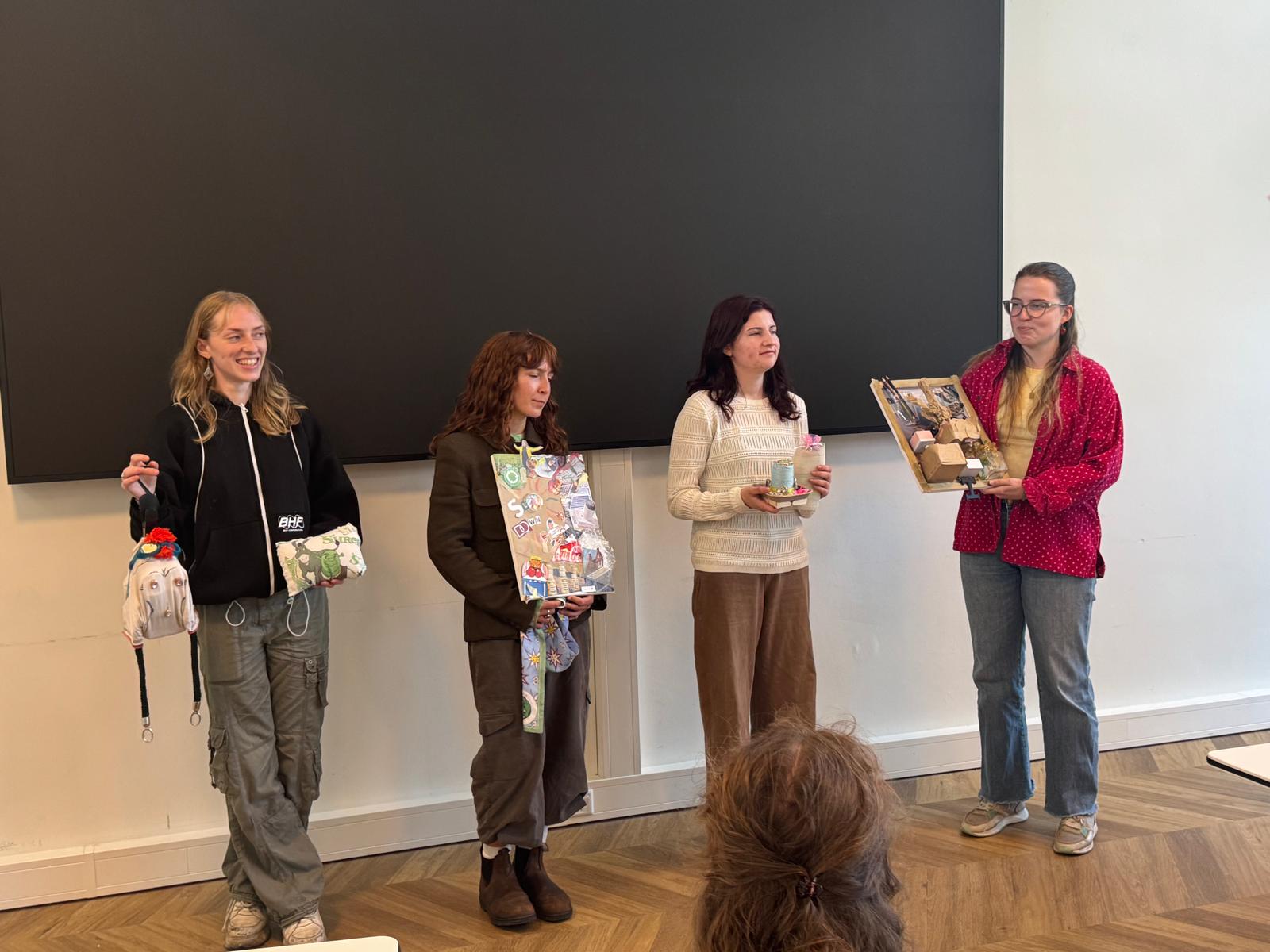
- Eco-Art Workshops: Upcycling art, digital storytelling, and podcast creation with 45 youth participants.
- EcoArtZone Exhibition: Hybrid exhibition showcasing artworks, films, and podcasts to the public.
- Eco-Art Toolkit: A practical resource for youth leaders to replicate creative sustainability initiatives.
- Regenerative Mindset Workshop: Hybrid session training 10 youth leaders to apply the toolkit.
Impact & Outcomes
- At least 55 youth directly engaged in creative climate action.
- Lasting artistic outputs (artworks, short films, podcasts) shared locally and digitally.
- A practical toolkit empowering youth leaders beyond the project’s lifetime.
- Increased critical thinking, creativity, and awareness of sustainability among young people.
- Broader community involvement through exhibitions and dissemination.
Gallery
Project Updates:
Feb 26, 2026
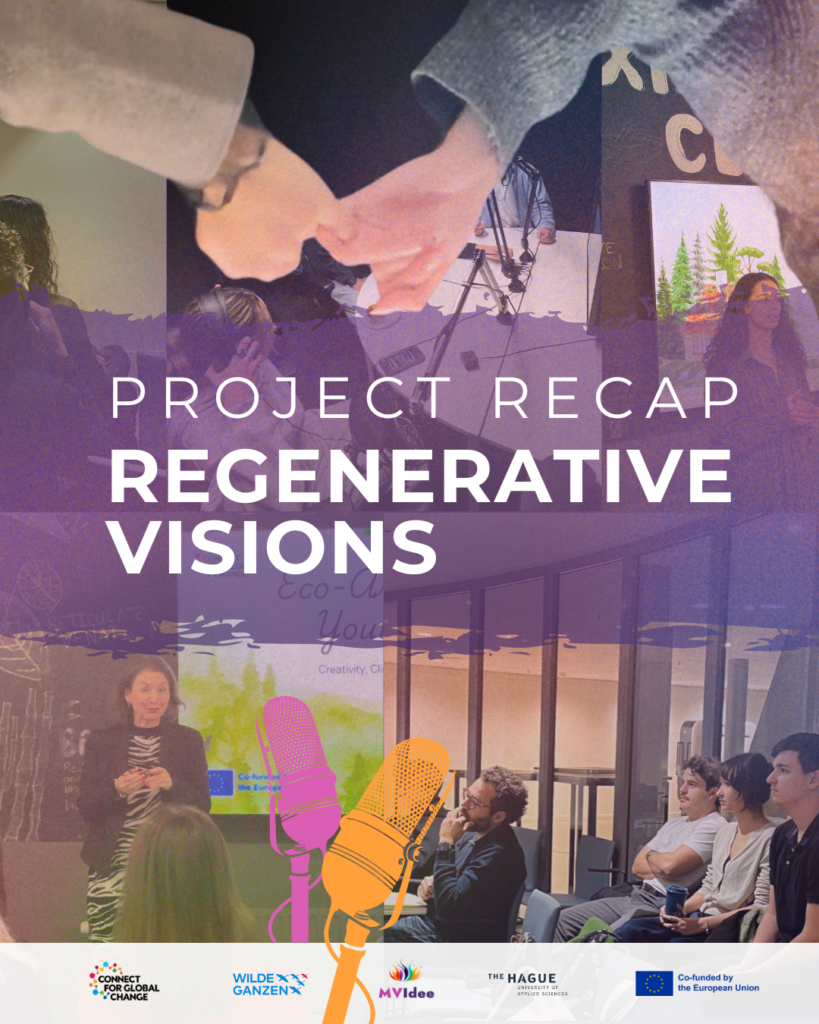
Regenerative Vision has come to an end — but what we built continues!
Feb 26, 2026
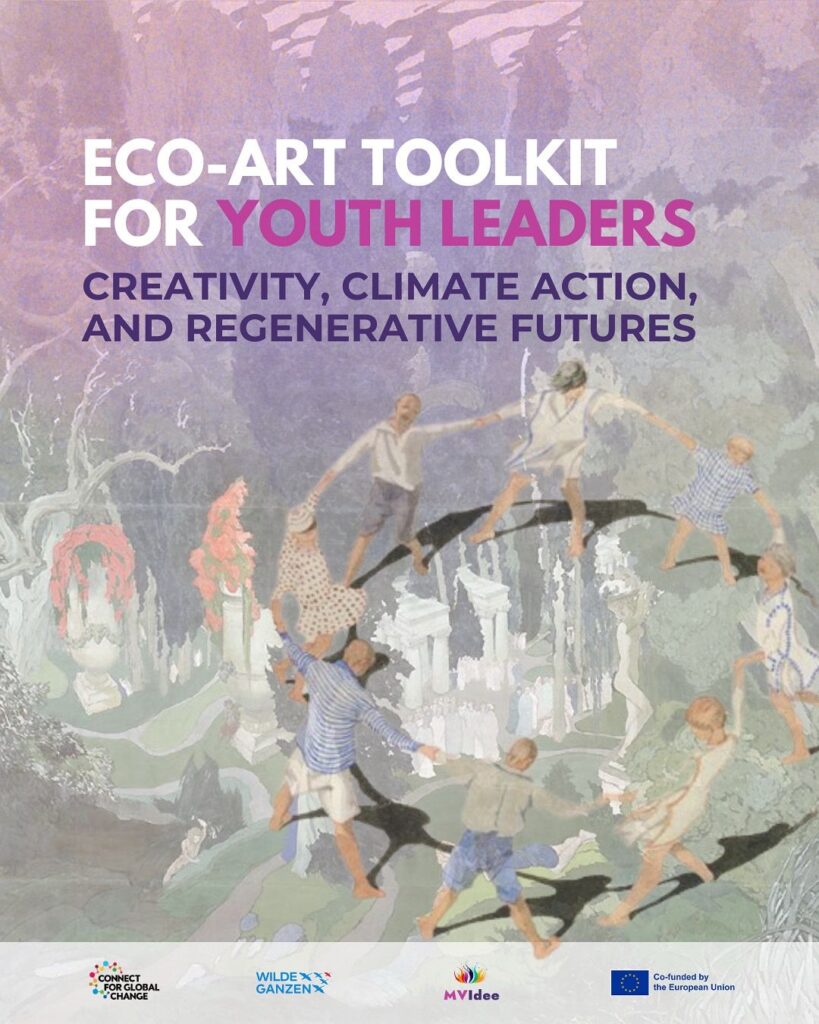
REGENERATIVE VISIONS: Eco-Art Toolkit for Youth Leaders
Dec 5, 2025
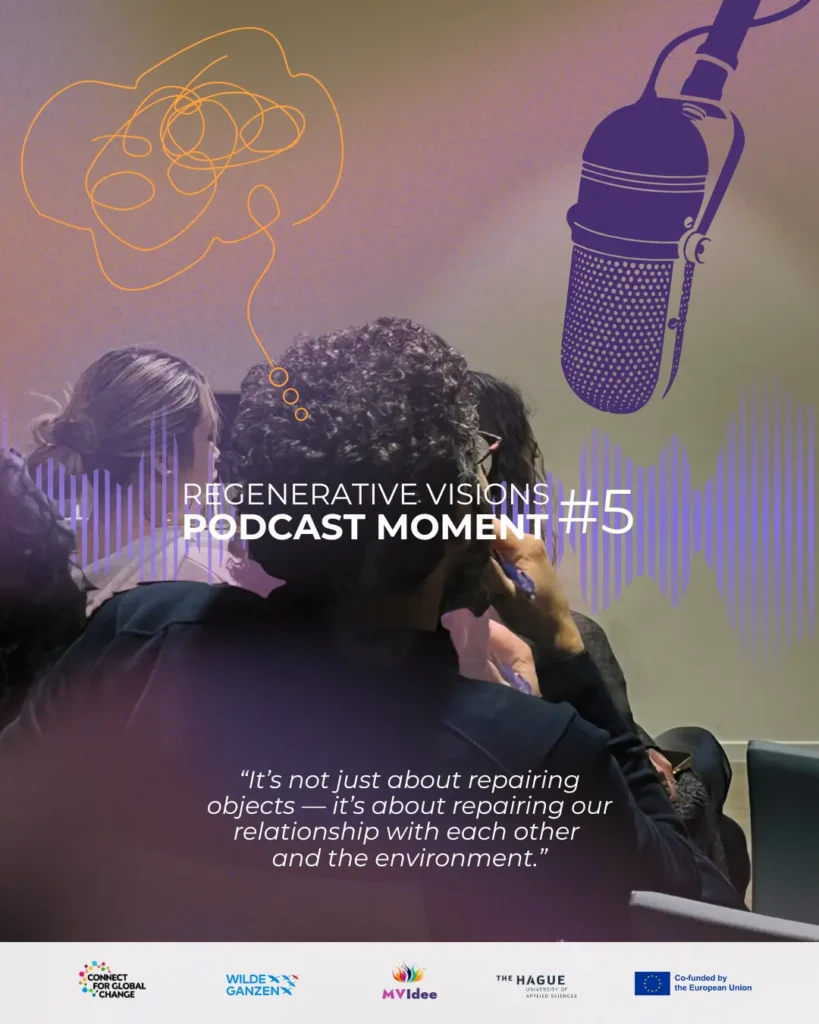
REGENERATIVE VISIONS | PODCAST MOMENT #5
Dec 4, 2025
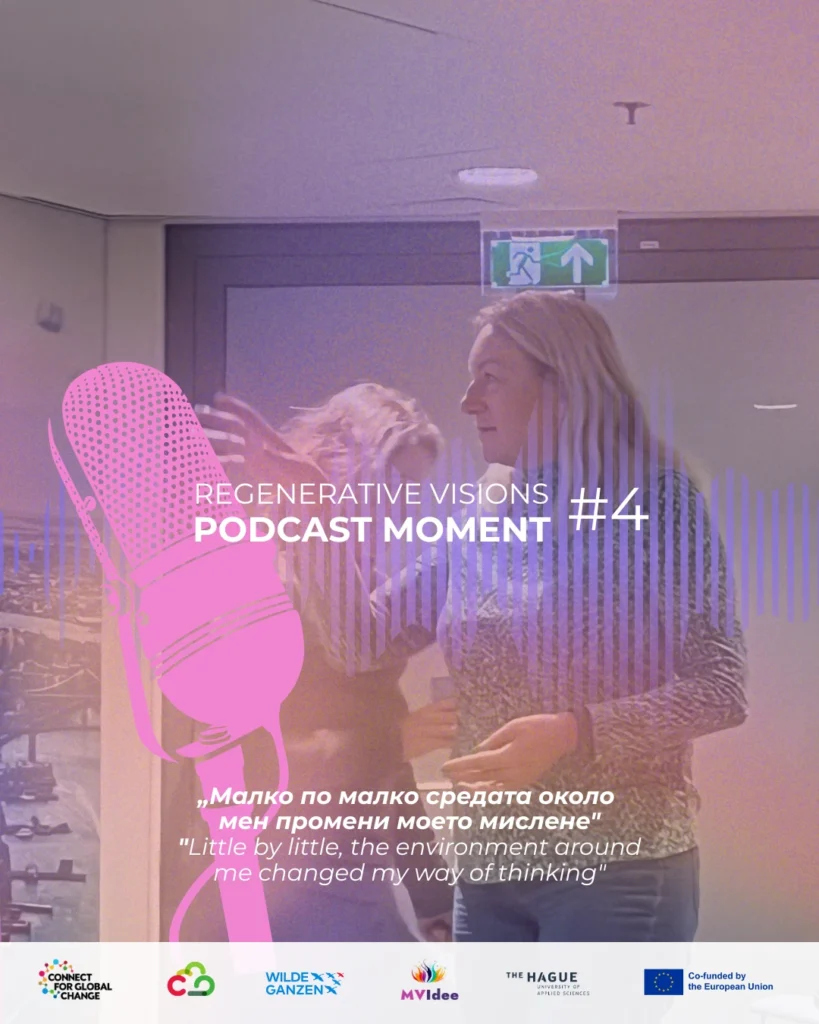
REGENERATIVE VISIONS | PODCAST MOMENT #4
Dec 2, 2025
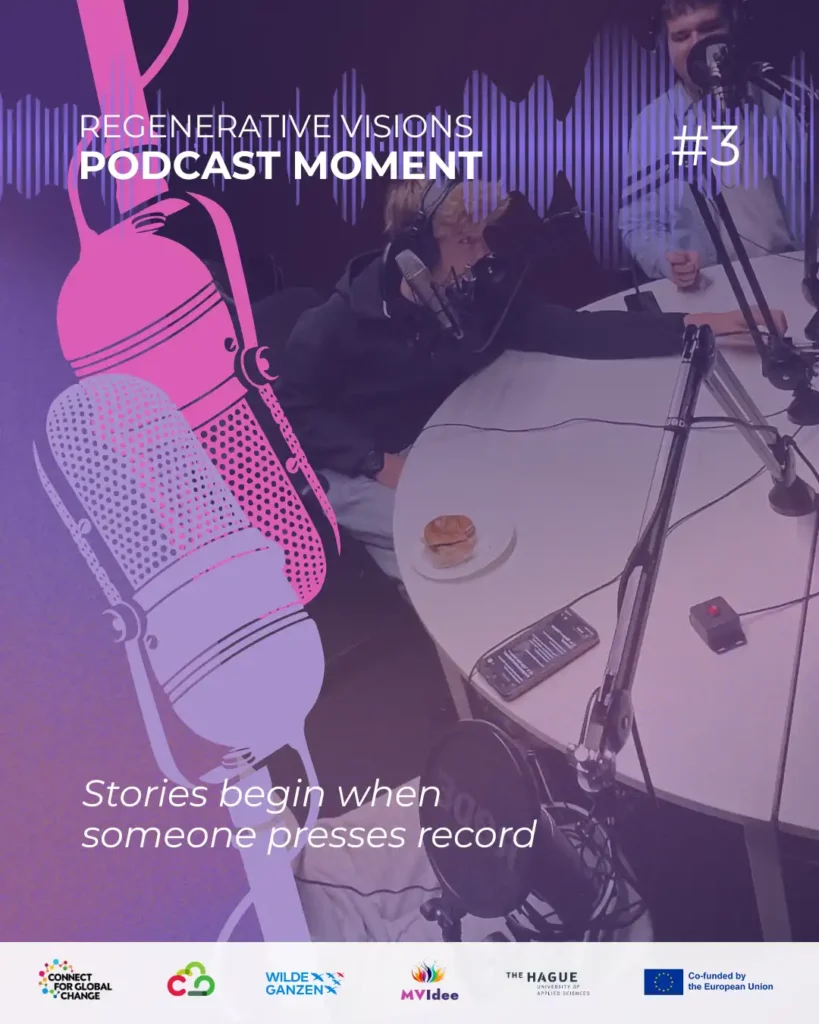
REGENERATIVE VISIONS | PODCAST MOMENT #3
Dec 2, 2025
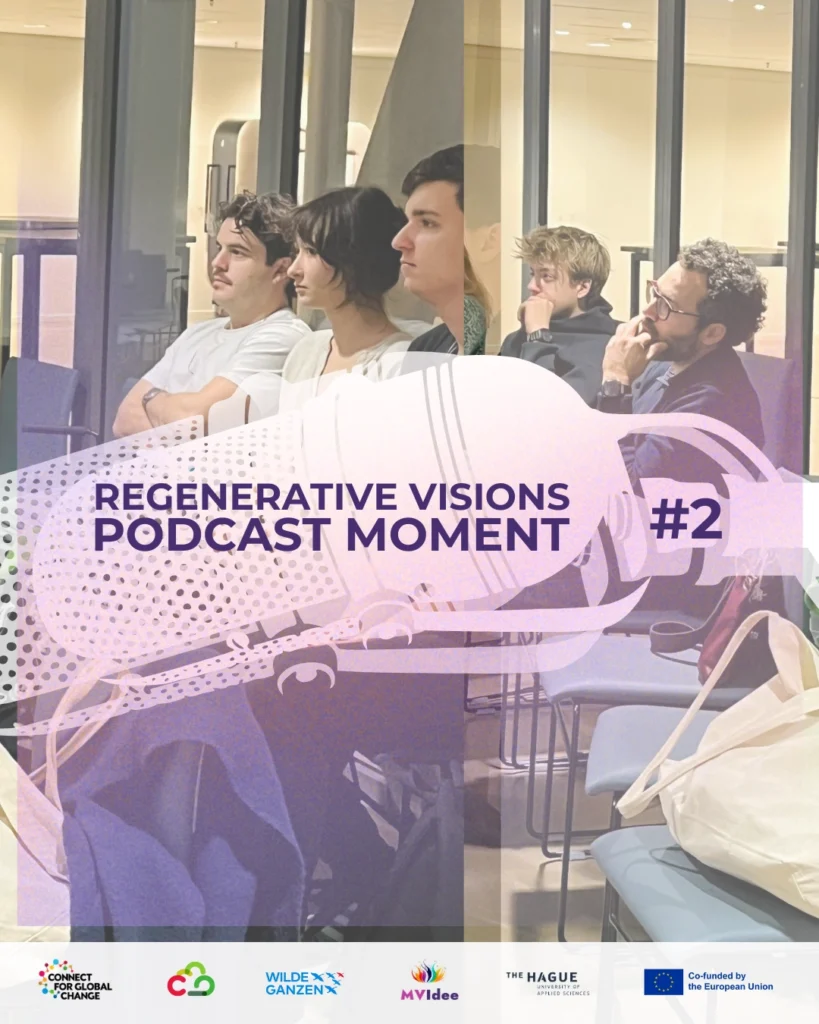
REGENERATIVE VISIONS | PODCAST MOMENT #2
Dec 2, 2025
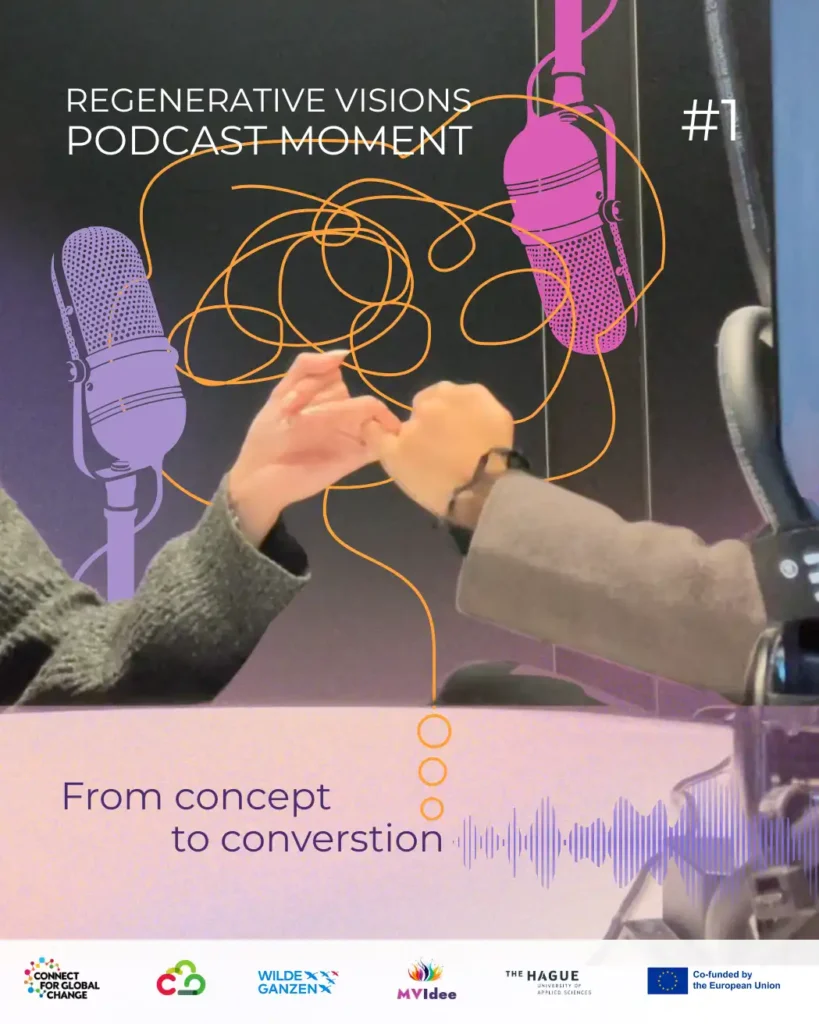
REGENERATIVE VISIONS | PODCAST MOMENT #1
Nov 22, 2025
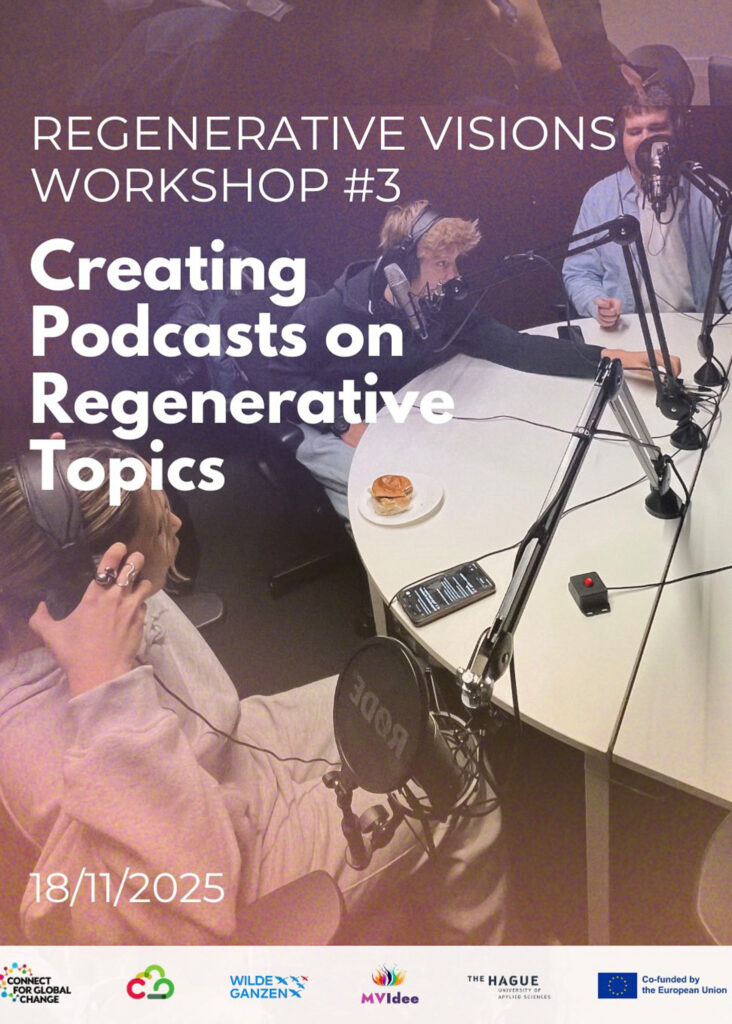
REGENERATIVE VISIONS | CREATING PODCASTS WORKSHOP RECAP
Nov 21, 2025
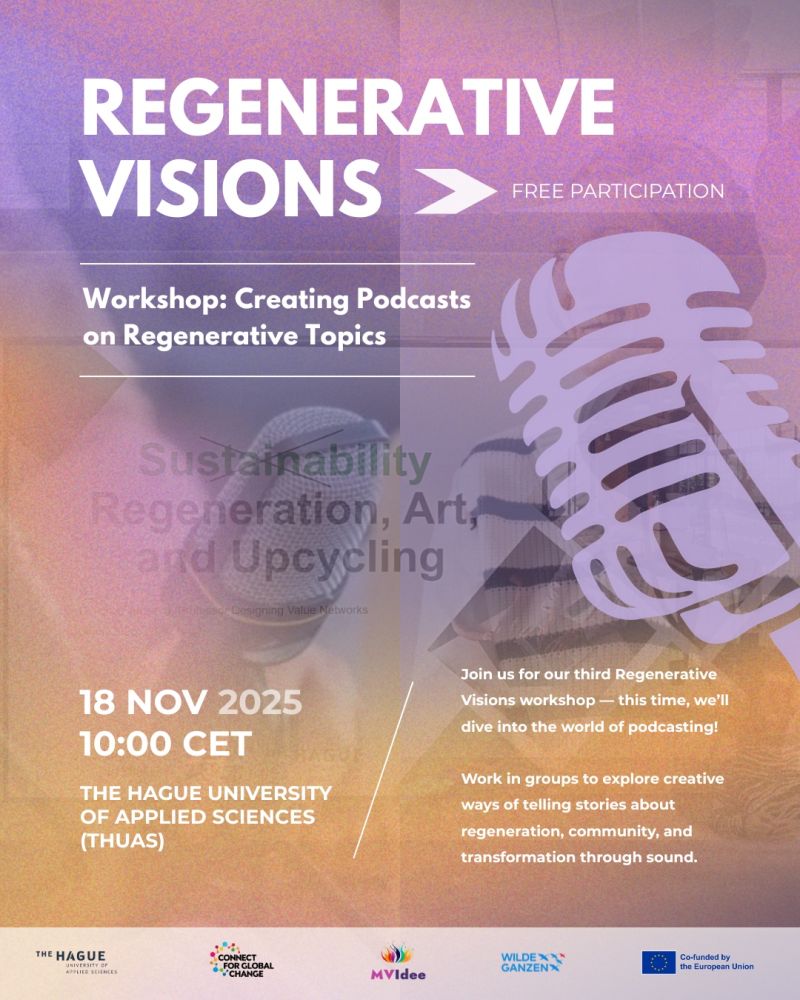
REGENERATIVE VISIONS | WORKSHOP
Nov 22, 2025
REGENERATIVE VISIONS | VIDEO SHOWCASE #5
Nov 22, 2025
REGENERATIVE VISIONS | VIDEO SHOWCASE #4
Nov 21, 2025
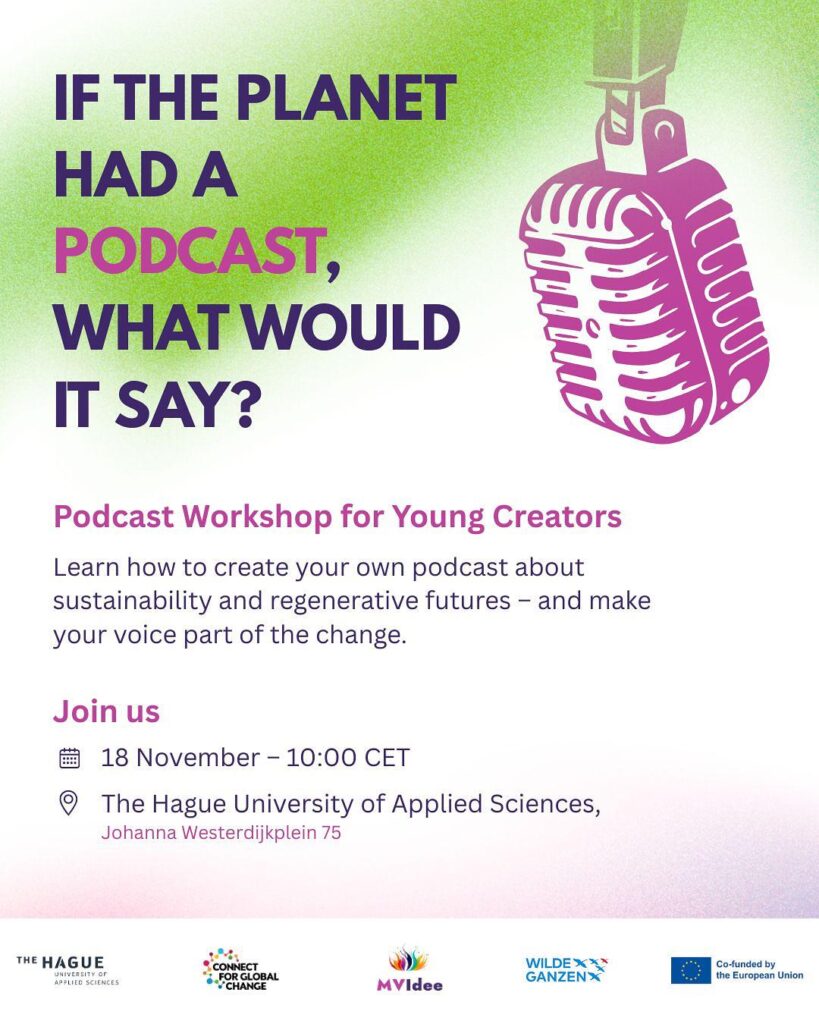
If the planet had a podcast, what would it say?
Nov 22, 2025
REGENERATIVE VISIONS | VIDEO SHOWCASE #3
Nov 22, 2025
REGENERATIVE VISIONS | VIDEO SHOWCASE #2
Nov 22, 2025
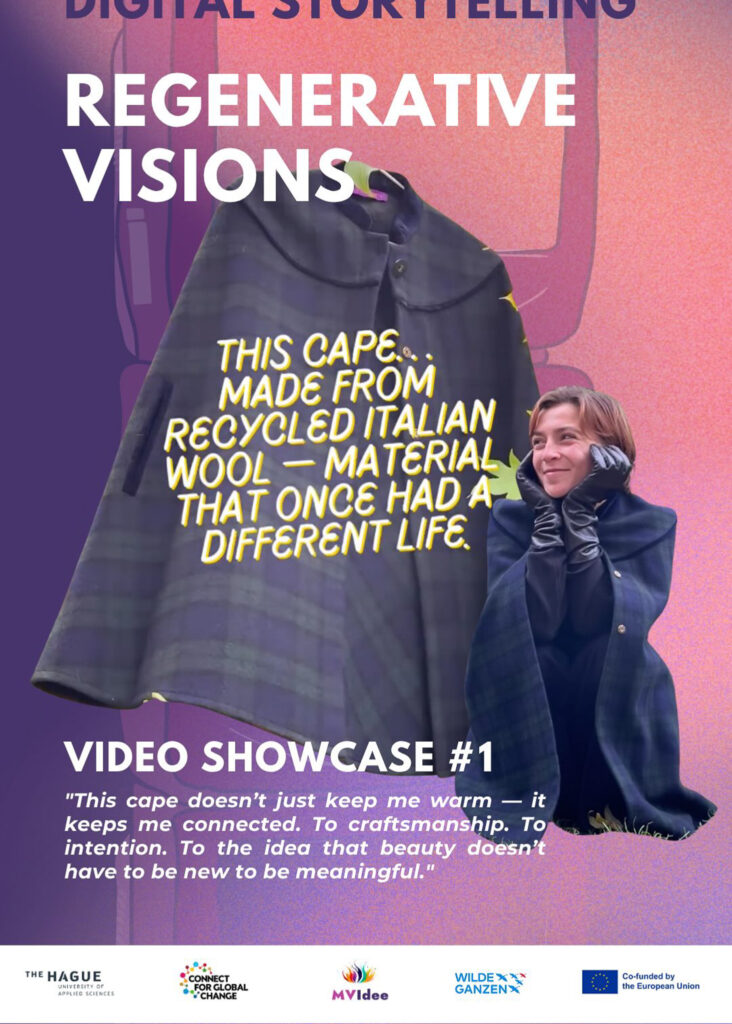
REGENERATIVE VISIONS | VIDEO SHOWCASE #1
Nov 21, 2025
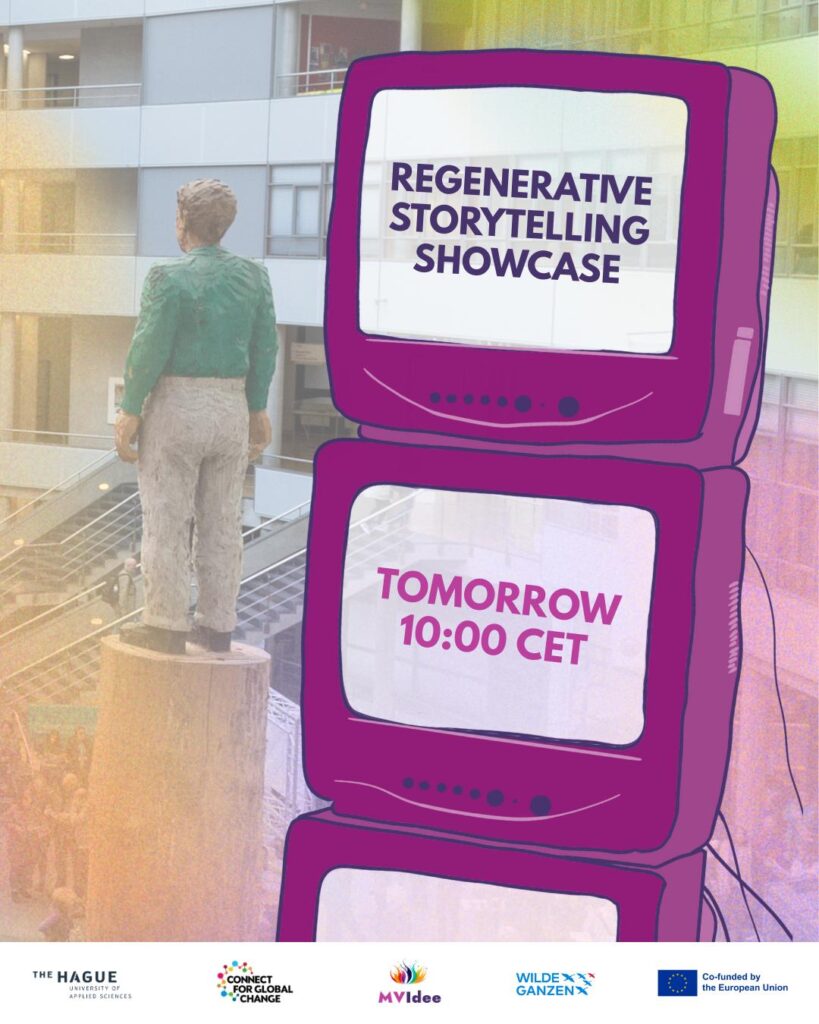
Tomorrow — 9 October | Digital Storytelling & Documentary Screening
Nov 21, 2025
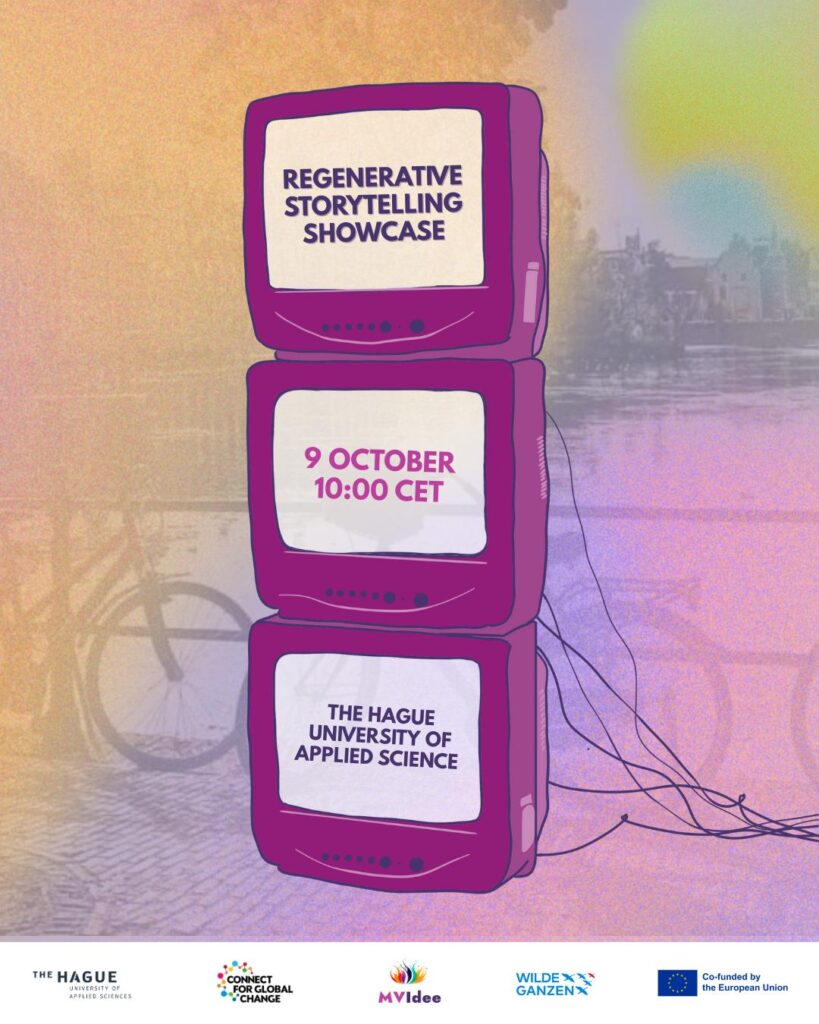
Digital Storytelling & Documentary Workshop – Regenerative Visions Project
Feb 26, 2026
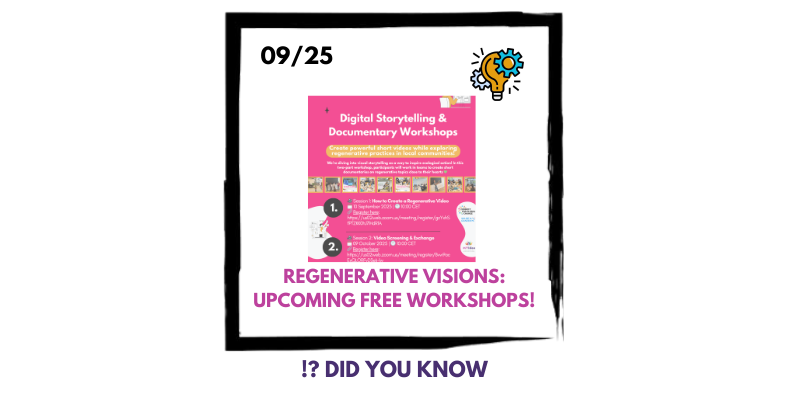
Upcoming workshop under Regenerative Visions Project!
Nov 21, 2025
The first Digital Storytelling workshop of Regenerative Visions
Feb 26, 2026
As part of our Regenerative Visions project, we’re excited to invite you to the second session of our Digital Storytelling & Documentary Workshop – where creativity meets climate action! 🌍💡
Feb 26, 2026
Regenerative Visions Project: FINAL CALL – Workshop 1 on Digital Storytelling & Documentary is this Wednesday!
Feb 26, 2026
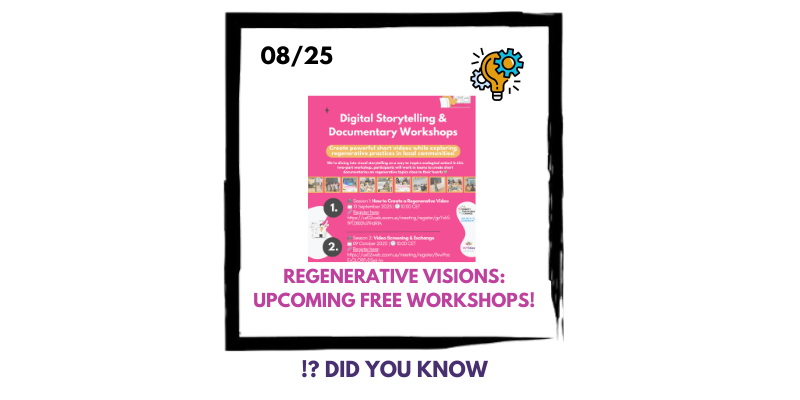
🎬 FREE WORKSHOPS – Digital Storytelling & Documentary Creation 🌍
Feb 26, 2026
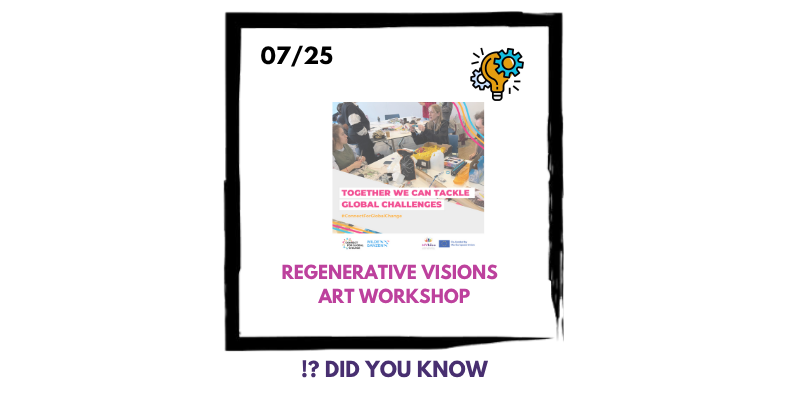
Generations Collaborate – Building a Regenerative Future Together under project Regenerative Visions!
Feb 26, 2026
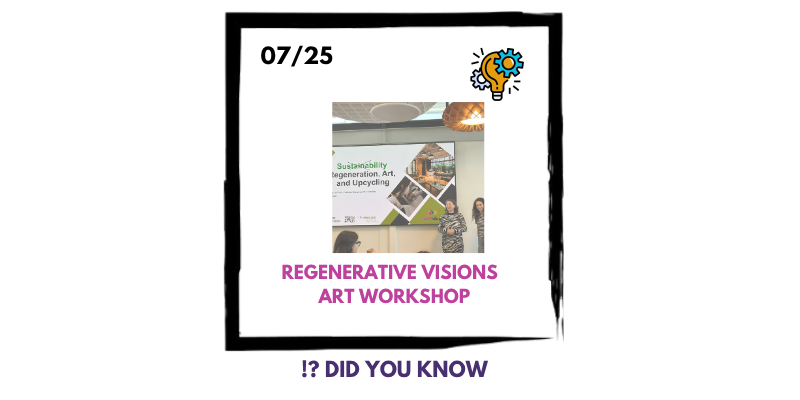
Learning, Listening & Leading – A Workshop under project Regenerative Visions that Sparked Minds
Feb 26, 2026
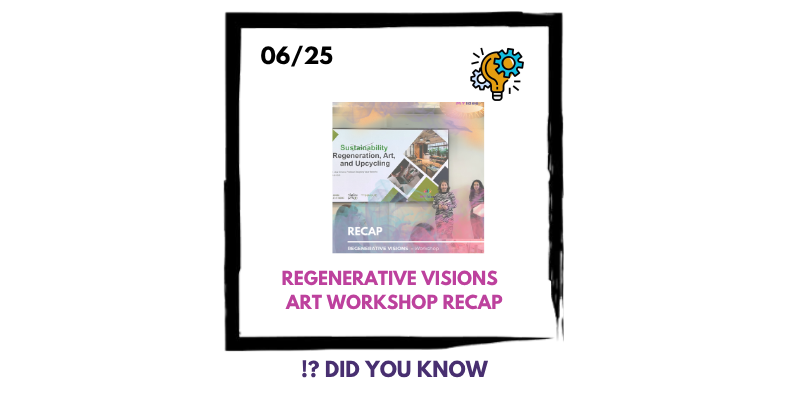
🌿✨ Regenerative Visions Workshop – A Day of Creativity, Collaboration & Circular Thinking ♻️🎨
Feb 26, 2026
Connect for Global Change: Workshop by Wilde Ganzen!
Feb 26, 2026
Regenerative Visions Eco-Art Workshop — a space where waste became inspiration
Feb 26, 2026
🌍 Connect for Global Change: Regenerative Visions Workshop 🎨
Feb 26, 2026
Self Assessment Tool - Regenerative Visions Young People’s Art and Creativity for a Sustainable Tomorrow!
Feb 26, 2026
Regenerative Visions: Young People’s Art and Creativity for a Sustainable Tomorrow - Self Assessment Questionnaire -
Feb 26, 2026
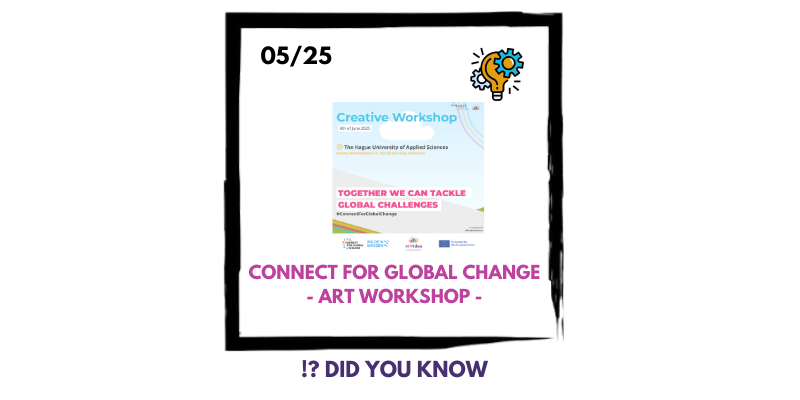
Join our FREE Creative Workshop under Connect for Global Change “Regenerative Visions” project!
Feb 26, 2026
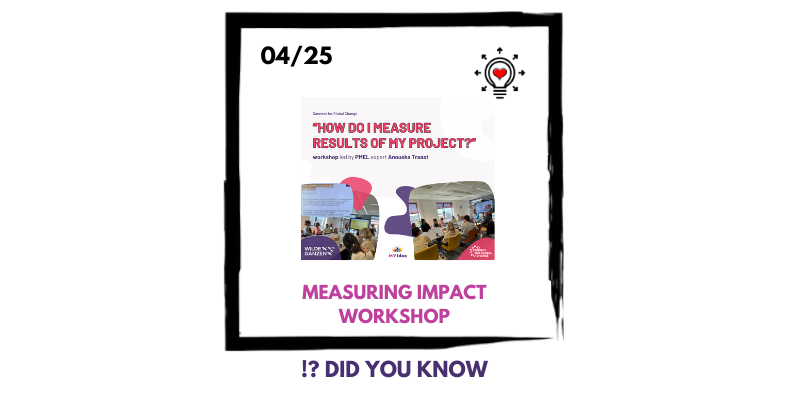
At Wilde Ganzen in Amersfoort for the “How do I measure results of my project?” workshop
Feb 26, 2026
Our Project is Selected to be part of Connect For Global Change 2025!
Feb 26, 2026
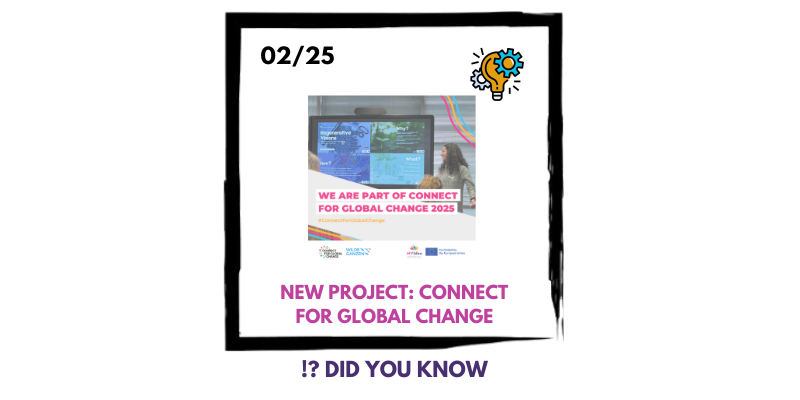
Launching a new project under Connect for Global Change: Regenerative Visions: Young People’s Art and Creativity for a Sustainable Tomorrow kicking off in March 2025!

Funded by the European Union. Views and opinions expressed are however those of the author(s) only and do not necessarily reflect those of the European Union or the European Education and Culture Executive Agency (EACEA). Neither the European Union nor EACEA can be held responsible for them.