


CARE:
Creative Approaches to Resilient Education
Project ID: 2024-1-PL01-KA220-SCH-000256498
Project Status: Ongoing
Duration: 2025-2027
Location(s): Multi-country
Target Group(s): Teachers, educators, school leaders, students
Coordinator: IRIS – Foundation Institute of Social Re-Integration (Poland)
Partners: REJ Foundation (Poland), Ustanova for insulting Dante (Croatia), Escola Teresa Miquel i Pàmies (Spain), EDUFEM Association (Spain), MVIdee foundation (The Netherlands)
Funded by: Erasmus+ KA220 - Cooperation Partnerships in School Education
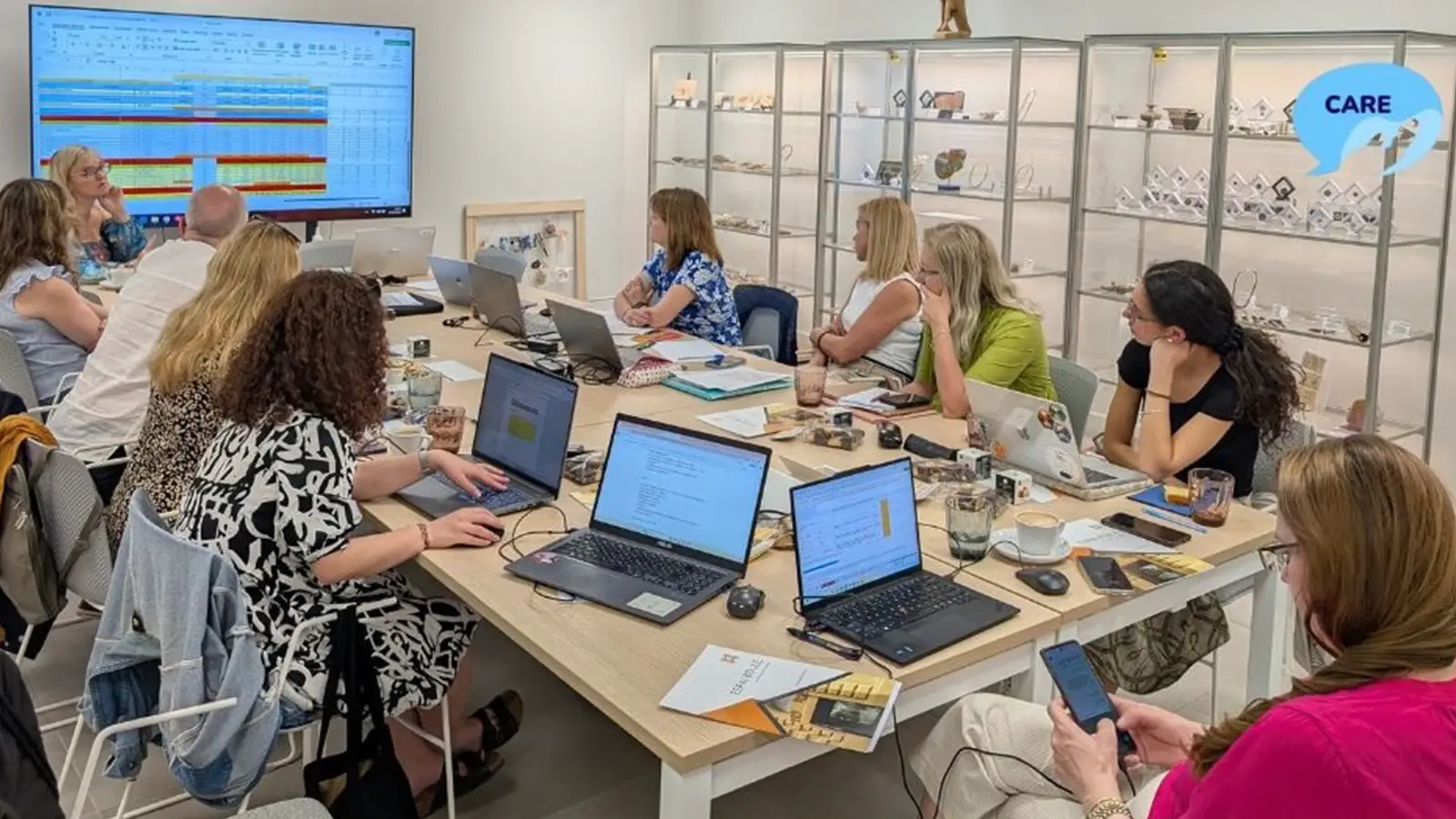
Oveview
CARE develops innovative, creative approaches to strengthen resilience and inclusion in schools across Europe. By supporting educators with new tools, training, and exchange opportunities, the project addresses current challenges in education such as digitalization, mental health, and social inequality. CARE empowers teachers and students to co-create inclusive learning environments that support well-being and lifelong learning.
Objectives
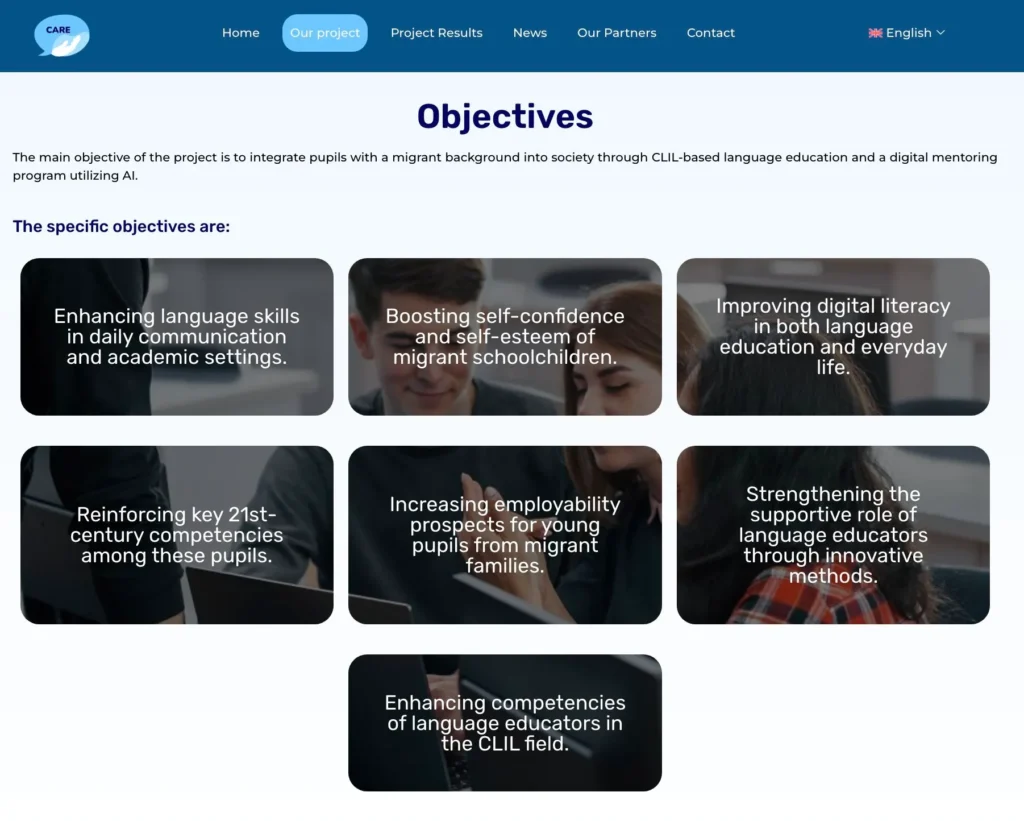
- Promote resilience and well-being in schools through creative teaching methods.
- Support teachers and school leaders with training and resources for inclusive education.
- Enhance cooperation among schools across Europe for knowledge exchange.
- Encourage student voice and participation in shaping their learning environment.
Activities
- Research and mapping of resilience practices in European schools.
- Development of a CARE toolkit with creative methods for educators.
- Training sessions and workshops for teachers in partner countries.
- Pilot implementation of innovative teaching practices in classrooms.
Impact & Outcomes
- Increased capacity of teachers to foster resilience and inclusion.
- A practical CARE Toolkit available for schools across Europe.
- Stronger international networks of educators and schools.
- Improved student well-being and engagement in learning.
Partners
#THE NETHERLANDS
#CROATIA
#SPAIN
#SPAIN
#POLAND
#POLAND
Gallery
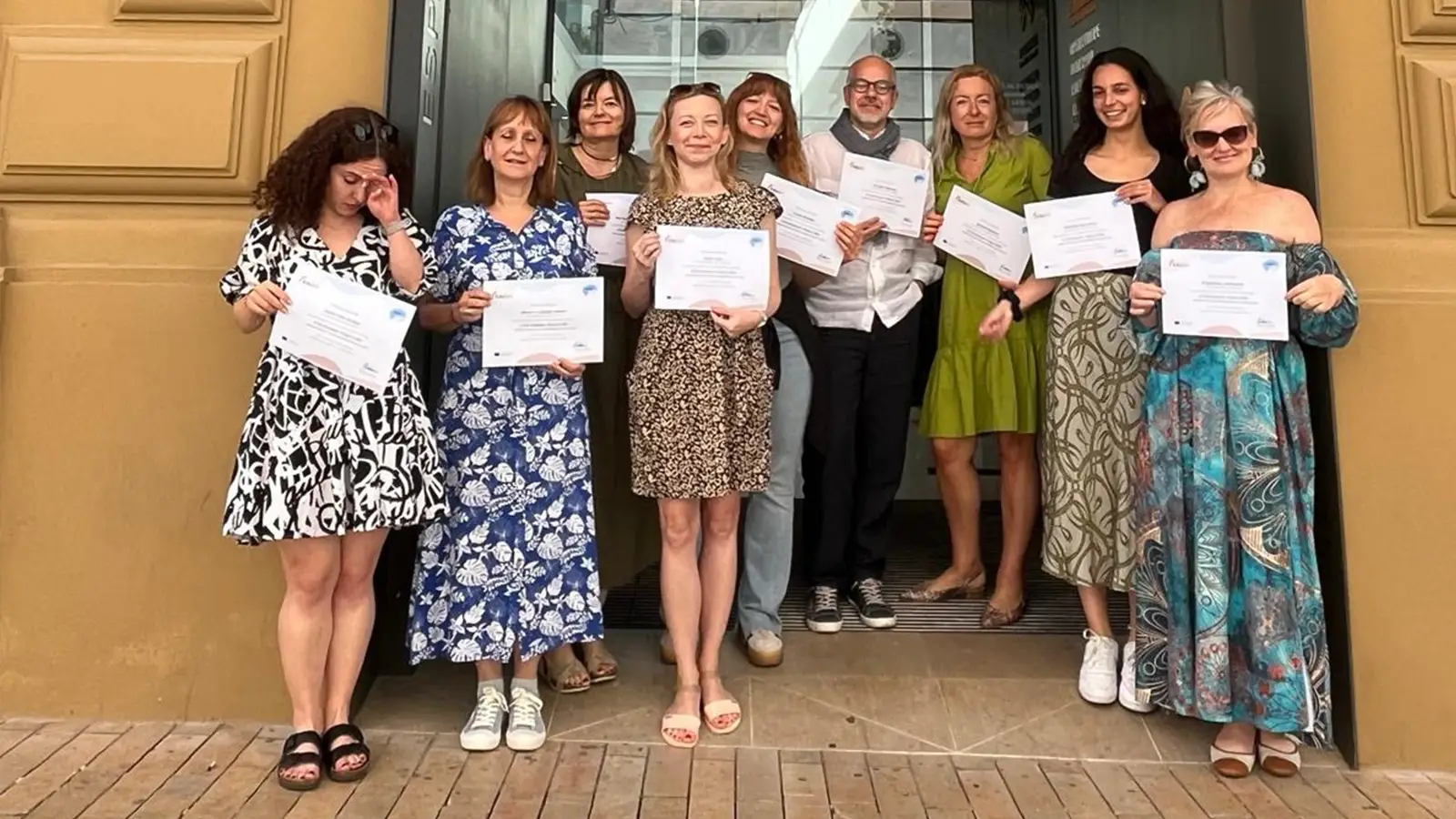
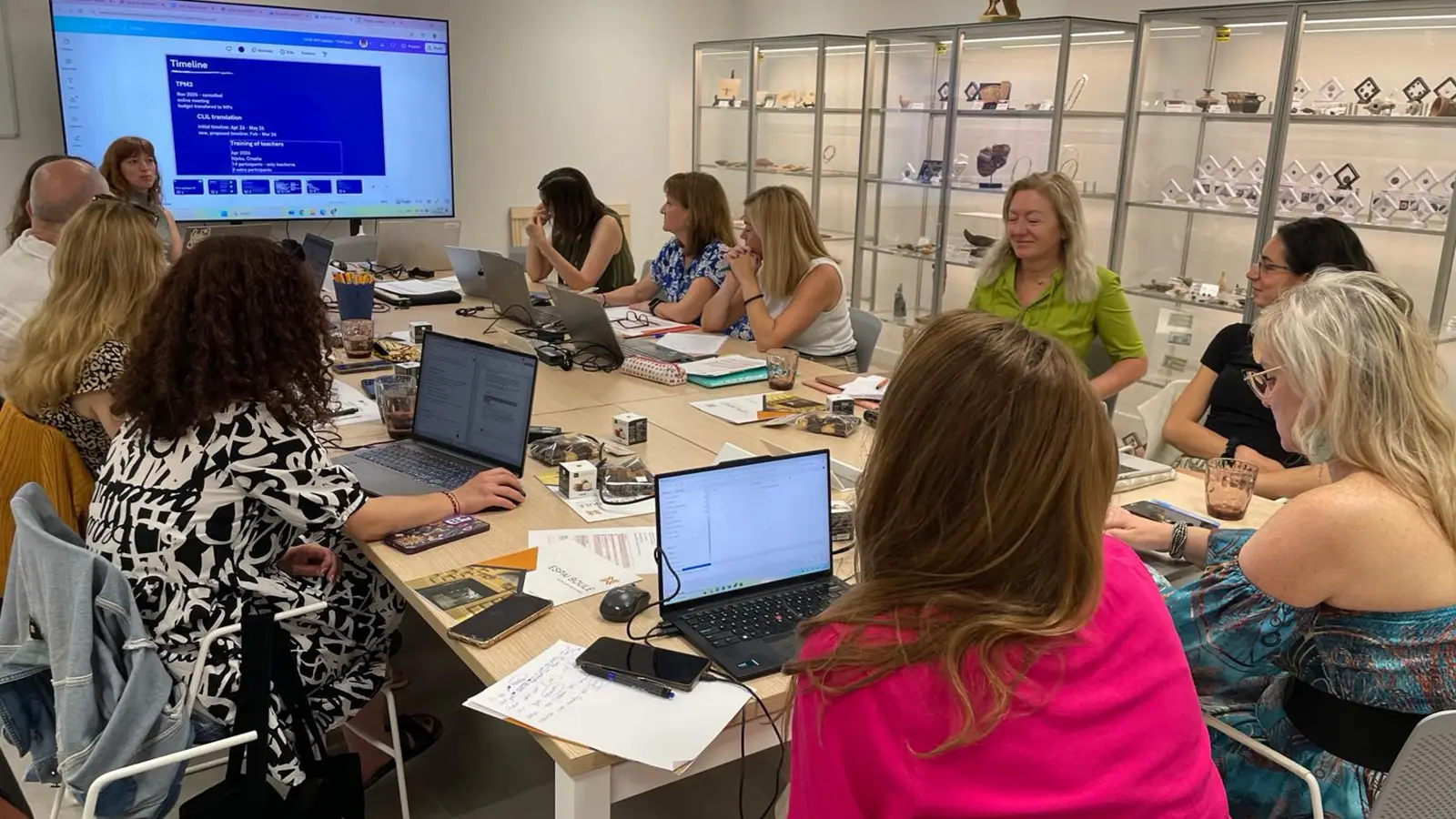
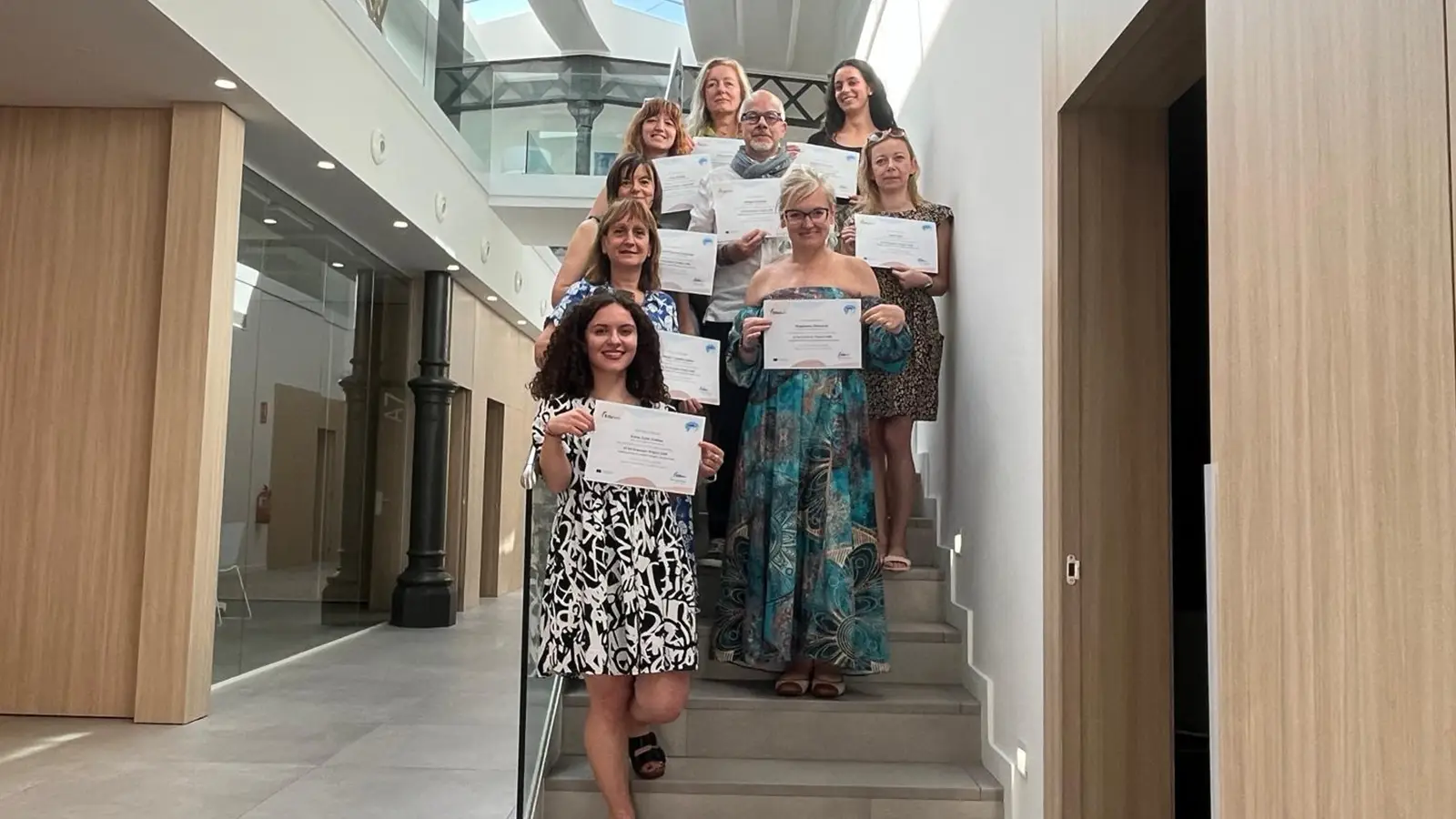
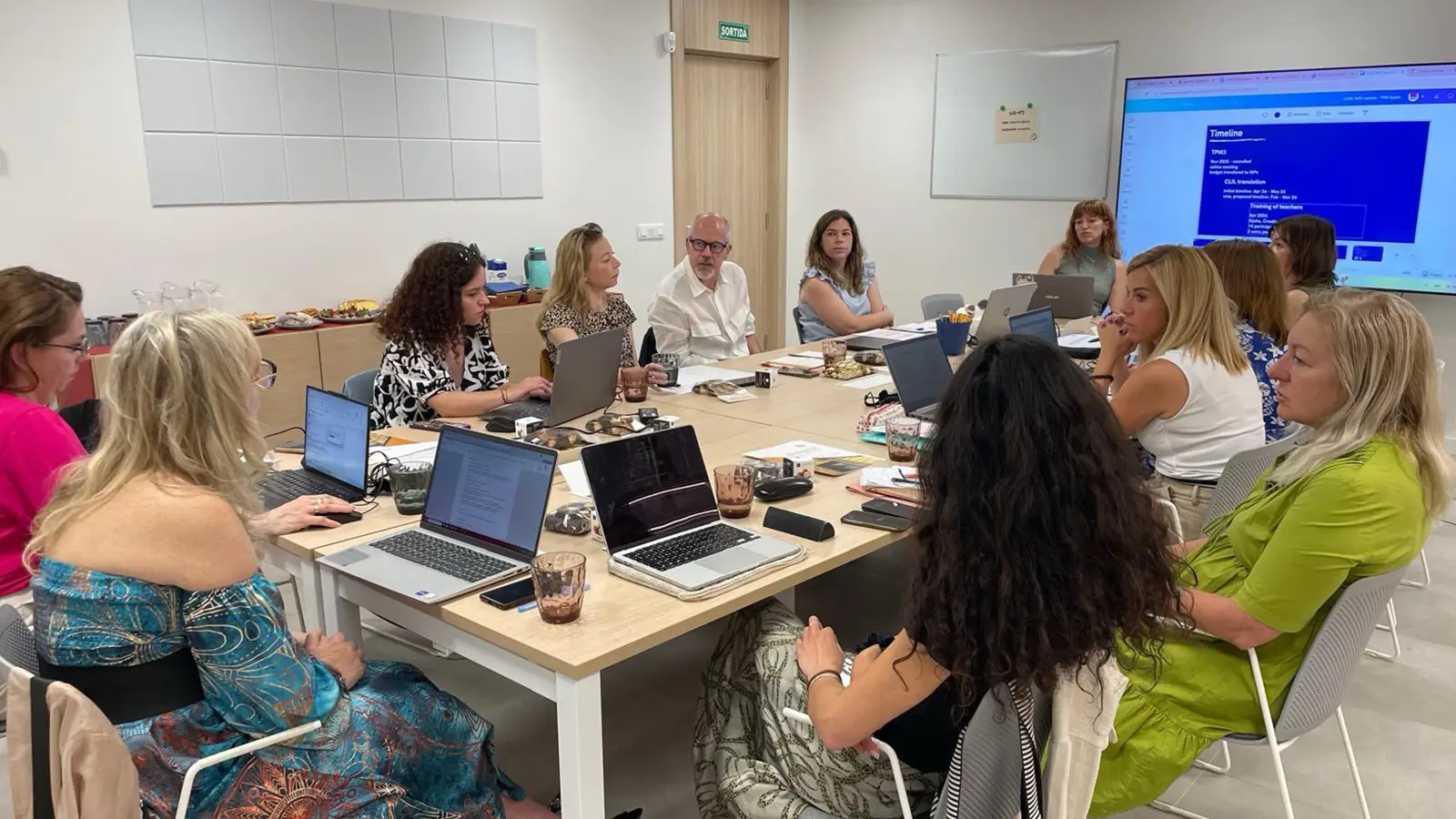
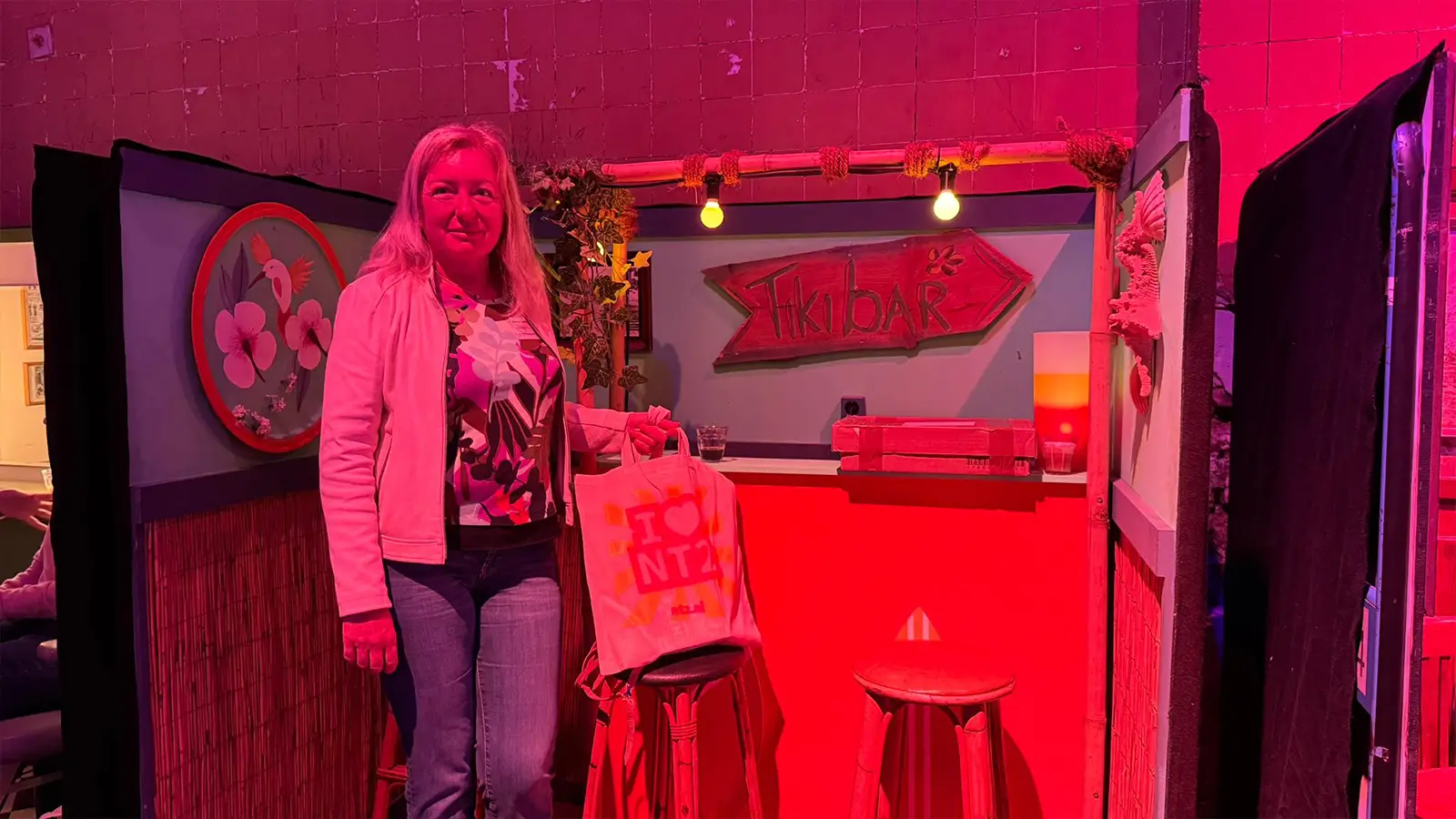
Project Updates:
Aug 22, 2026
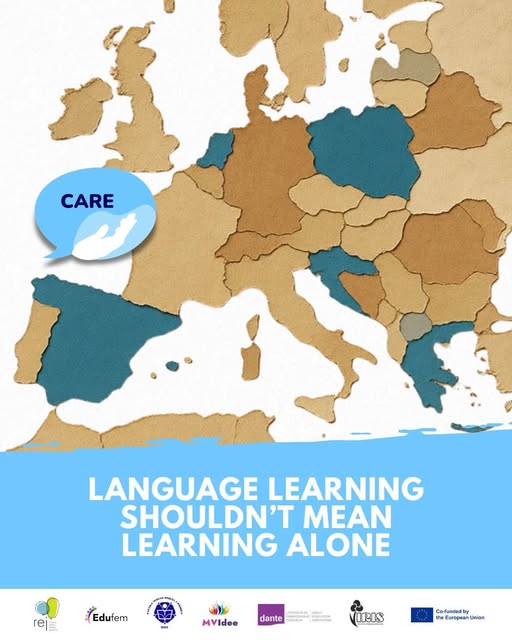
How can language education better support migrant students?
Aug 22, 2026
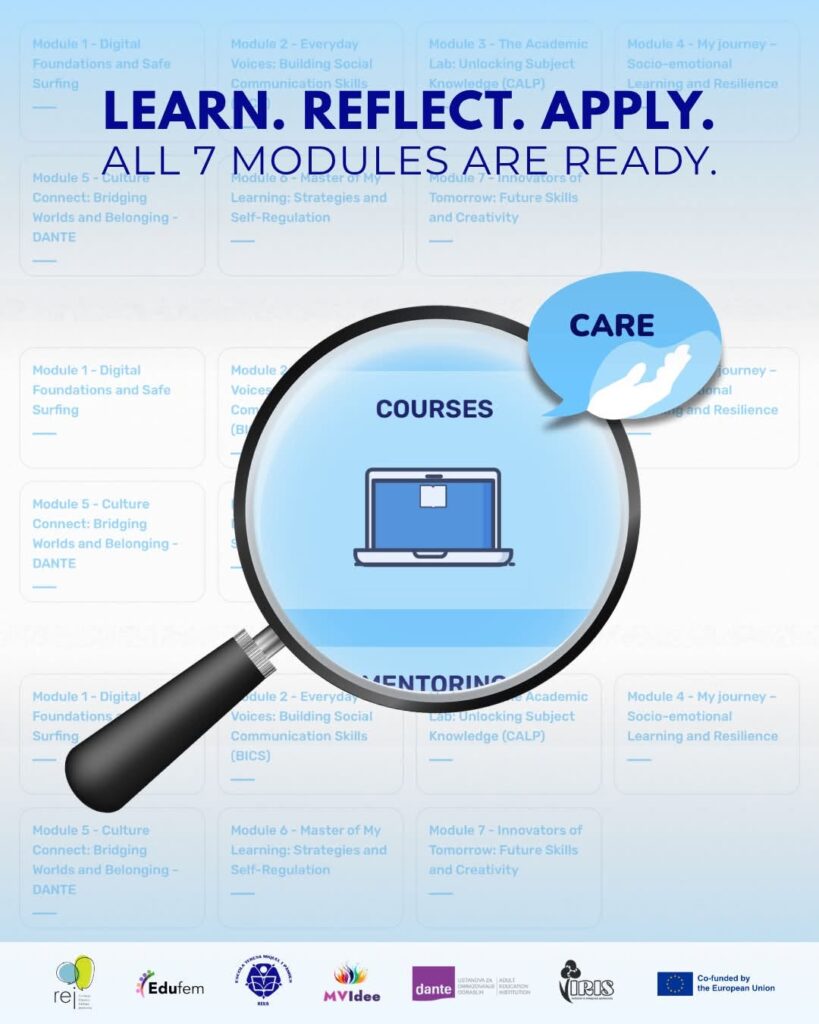
Everything you need. All in one place. The CARE project has brought together its complete learning ecosystem — and every resource is now available on our website.
Aug 22, 2026
One idea can become a lesson. A series of lessons can become a programme. But its real value begins when people can actually use it.
Jul 25, 2026
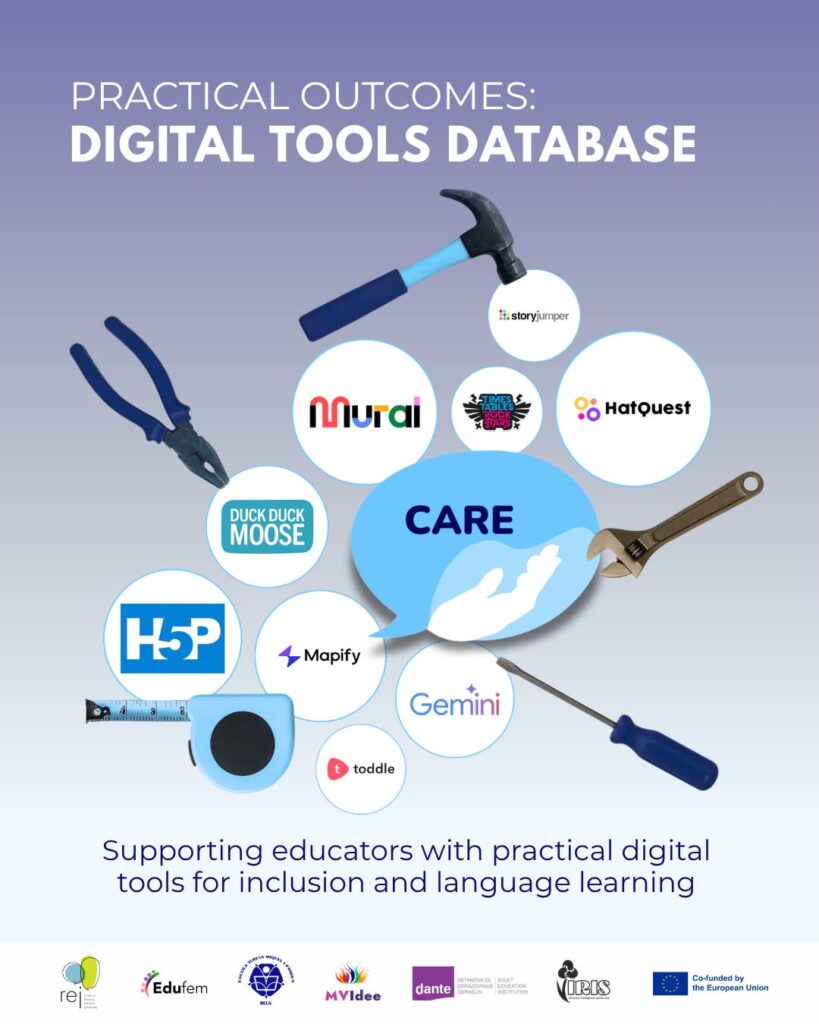
The CARE Digital Mentoring Programme doesn’t simply introduce new technologies. It helps educators confidently select and apply digital tools that support language learning, inclusion and active participation.
Jul 25, 2026
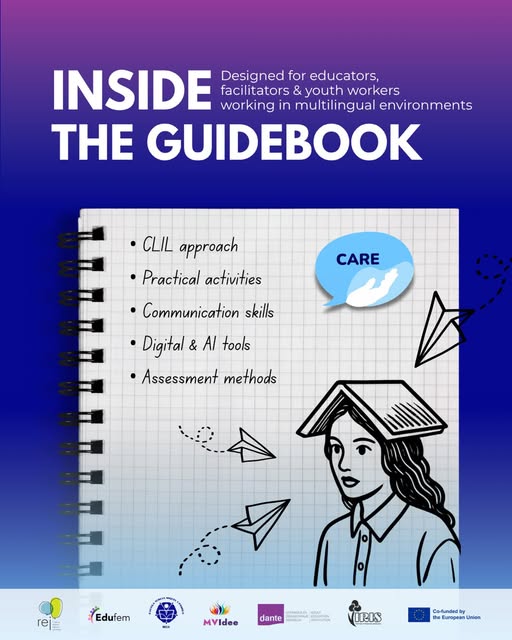
One of the key outcomes of the CARE project is a practical methodological guidebook created for educators, facilitators and youth workers working in multilingual and inclusive learning environments.
Jul 25, 2026
At the heart of CARE is a simple idea: education should help people thrive — not only academically, but also personally and socially.
Jun 29, 2026
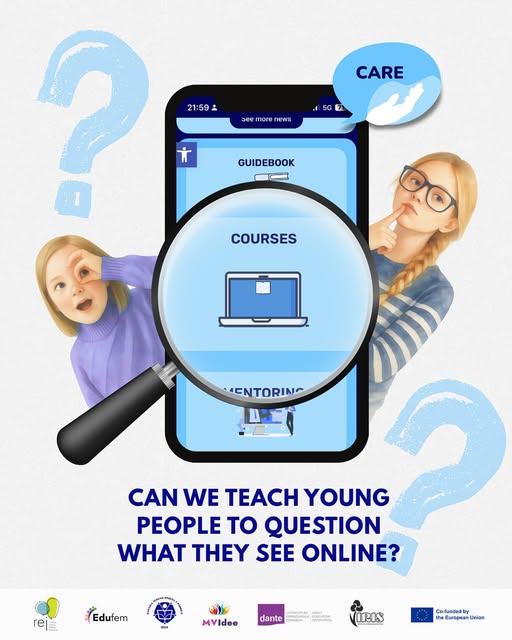
As we continue exploring the first CARE learning module, Digital Foundations and Safe Surfing, one message stands out: digital literacy is about much more than knowing how to use technology.
Jun 29, 2026
What makes digital inclusion truly work? #CARE
Jun 29, 2026
What should every child know before going online? #CARE
May 31, 2026
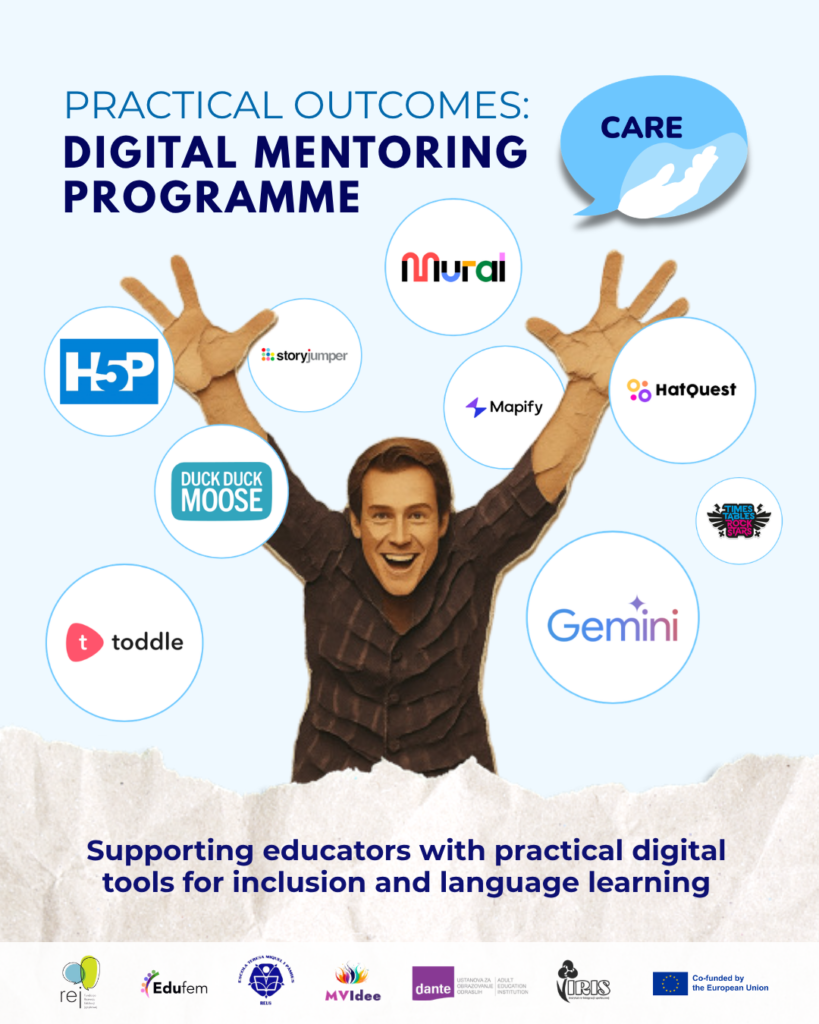
The CARE project does not stop at methodology and training.
May 31, 2026
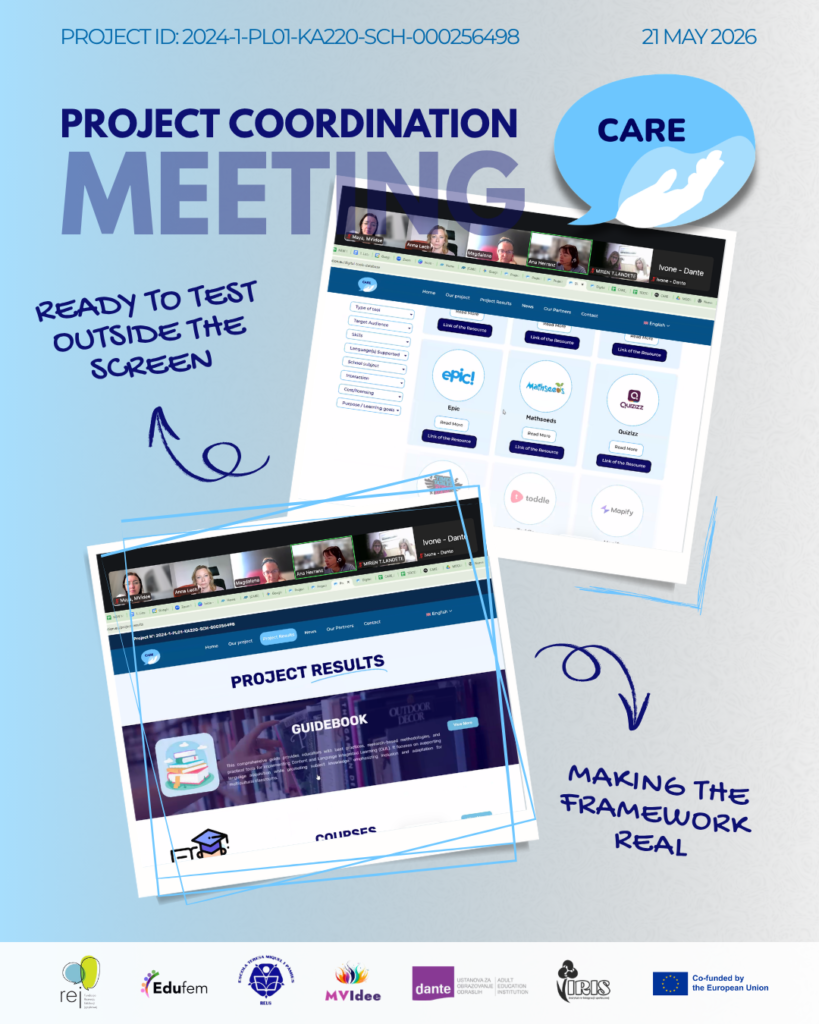
CARE Project — Online Coordination Meeting
May 31, 2026
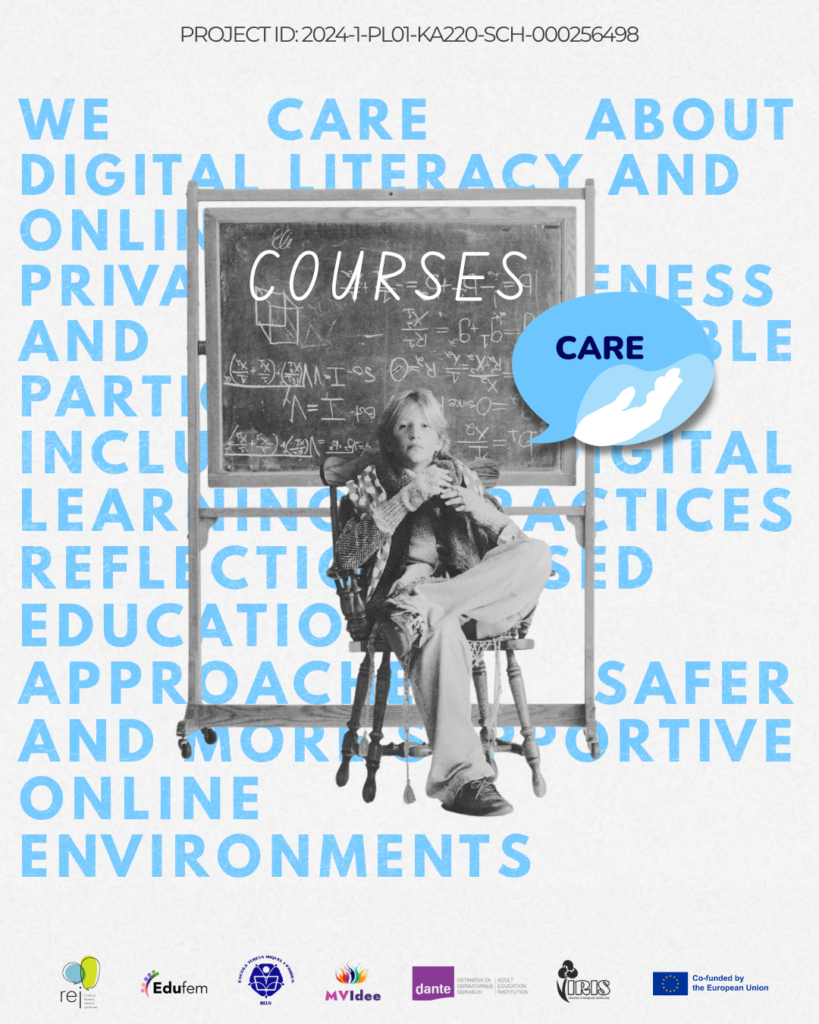
One of the practical outcomes of the CARE project is the development of an online learning programme designed to support youth workers, educators, and learning environments navigating digital education and online participation.
May 14, 2026
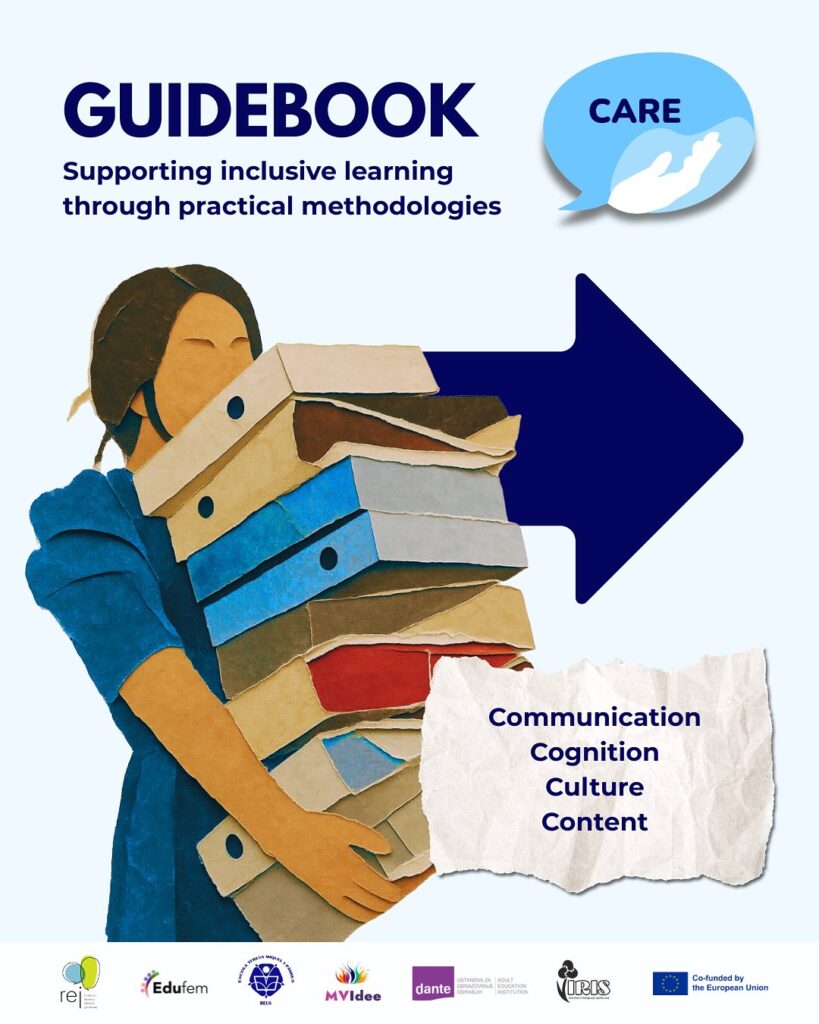
One of the main outcomes of the CARE project is the Methodological Guidebook — a practical resource designed for educators, youth workers, and learning environments working with inclusion, wellbeing, and participation.
May 14, 2026
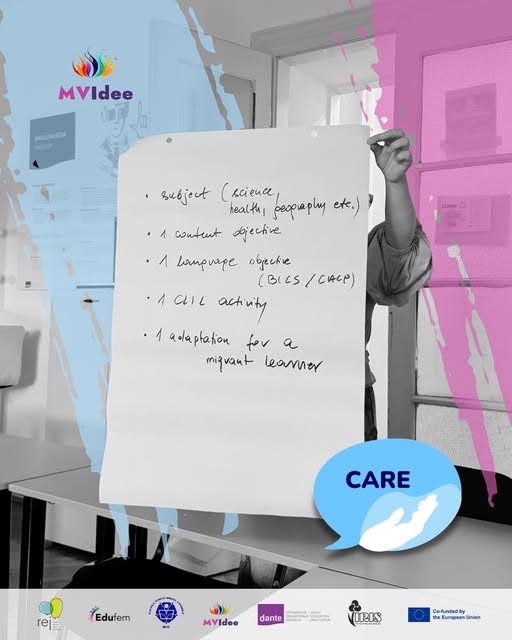
Within the CARE project, we explore this through CLIL (Content and Language Integrated Learning) — not as theory, but as something to test and adapt.
May 14, 2026
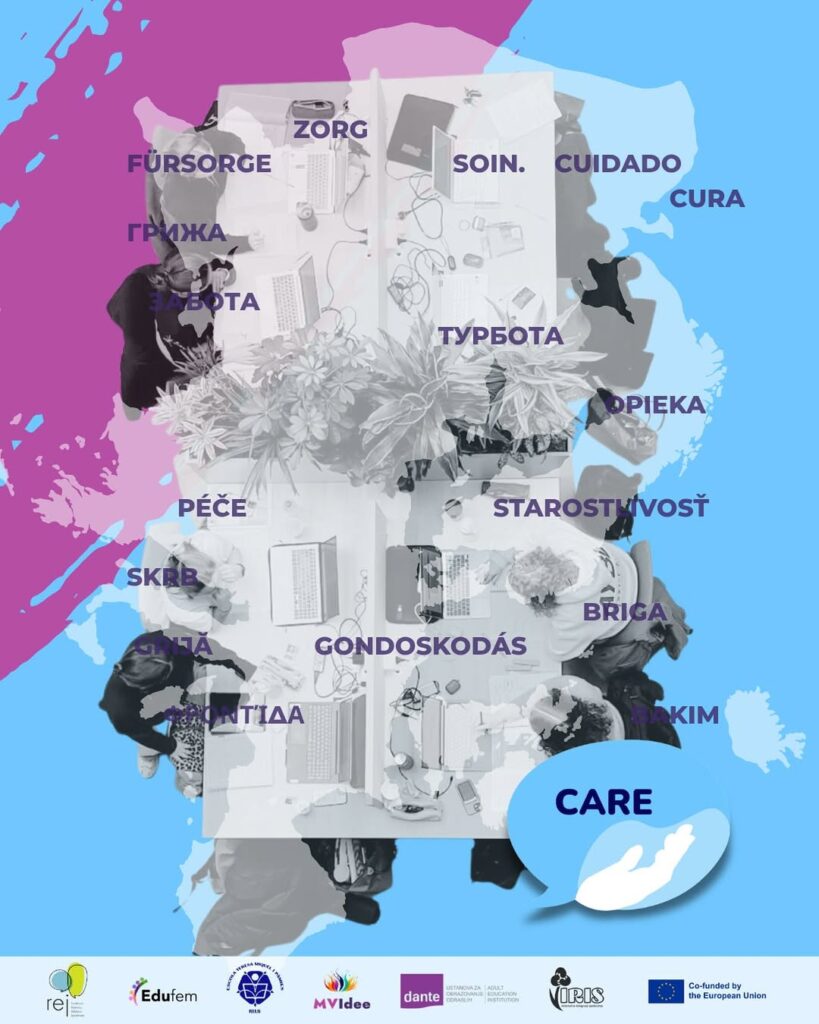
CARE project - How can teaching stay clear, inclusive, and engaging?
Mar 17, 2026
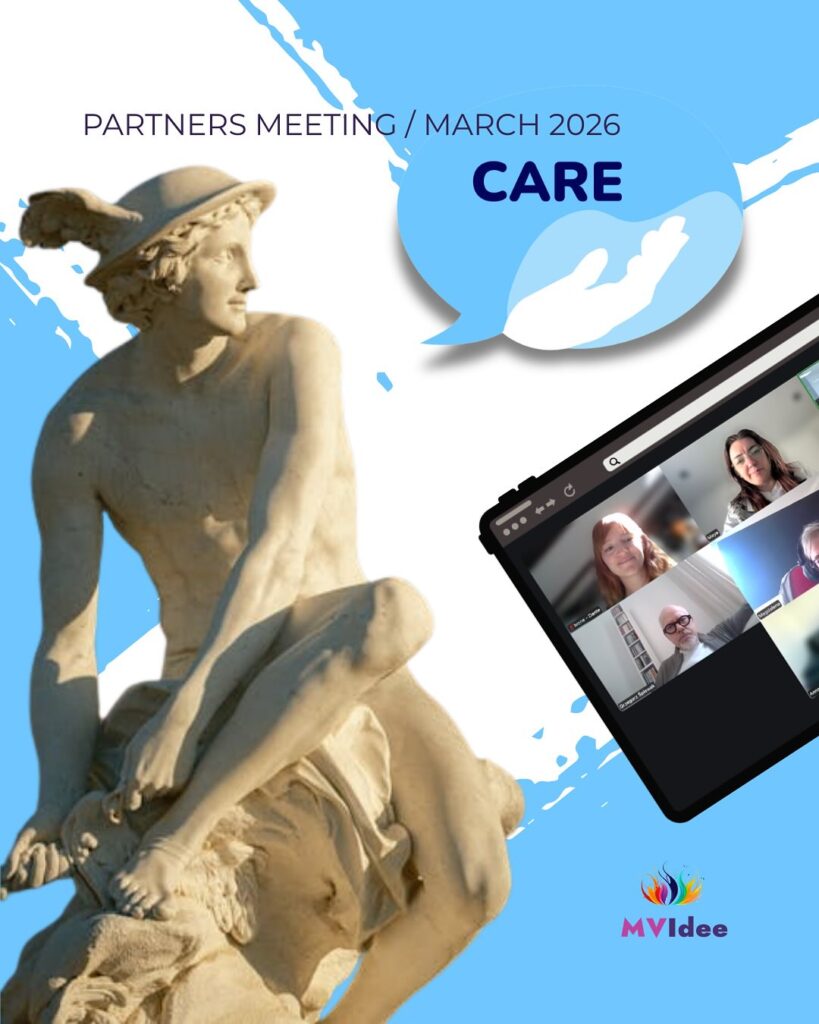
Online meeting within the CARE project!
May 14, 2026
The power of language through literature: CARE works with educators across Europe
May 14, 2026
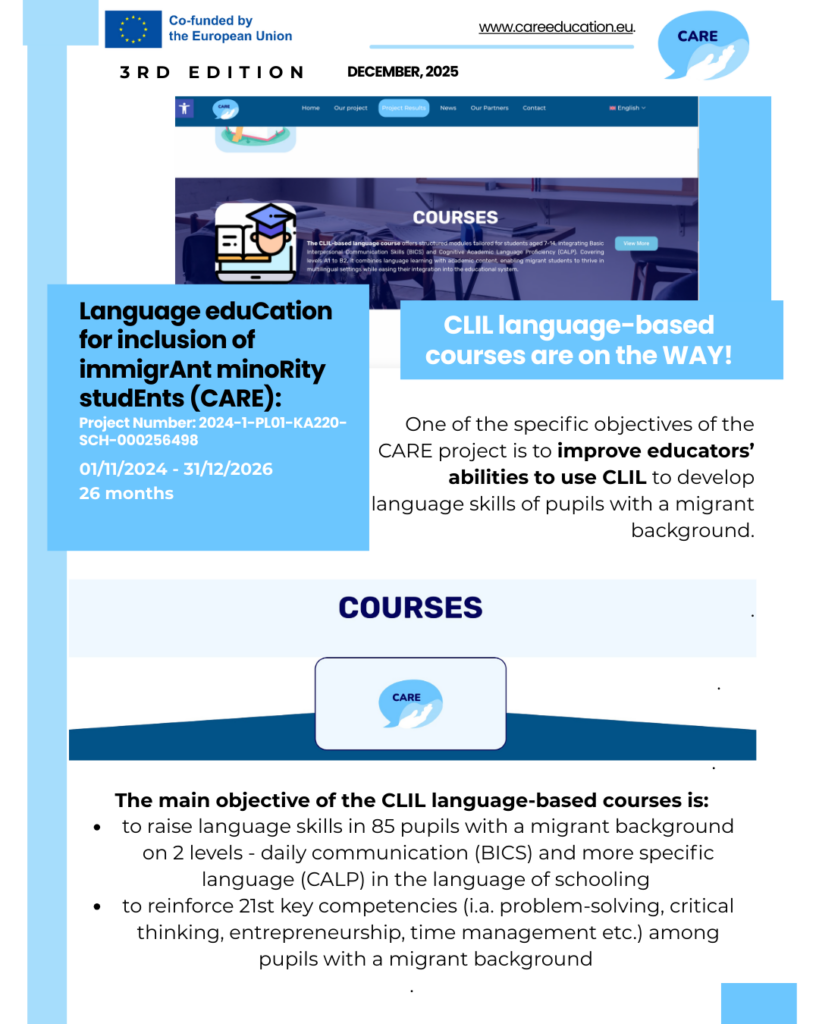
CARE PROJECT – Newsletter Vol 3
May 14, 2026
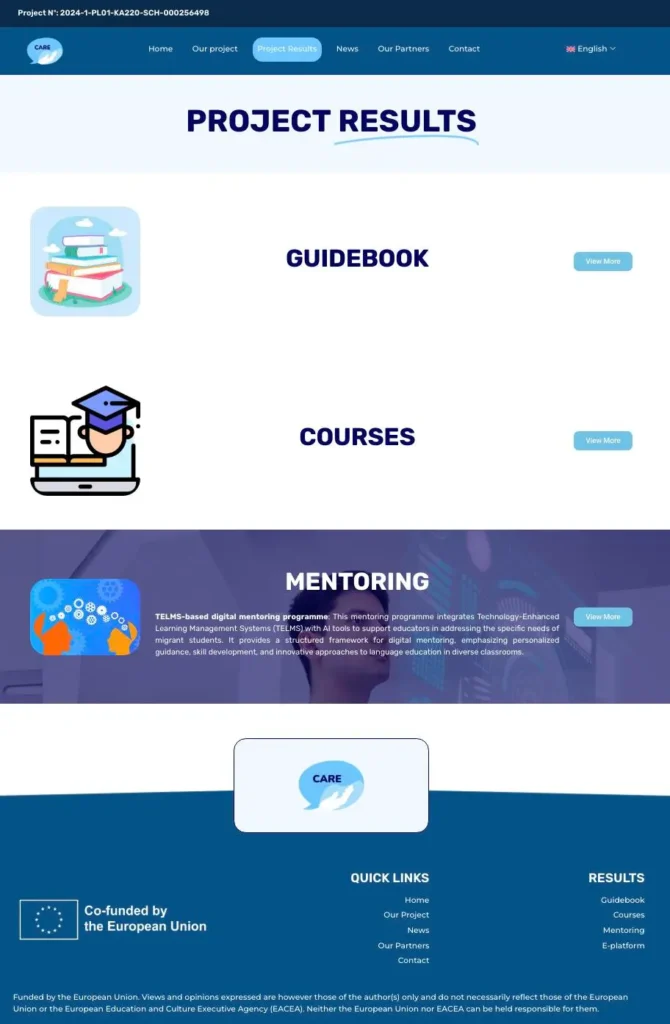
CARE PROJECT – OUR KEY RESULTS ARE TAKING SHAPE!
Feb 26, 2026
MENTORING WITHOUT BARRIERS
May 14, 2026
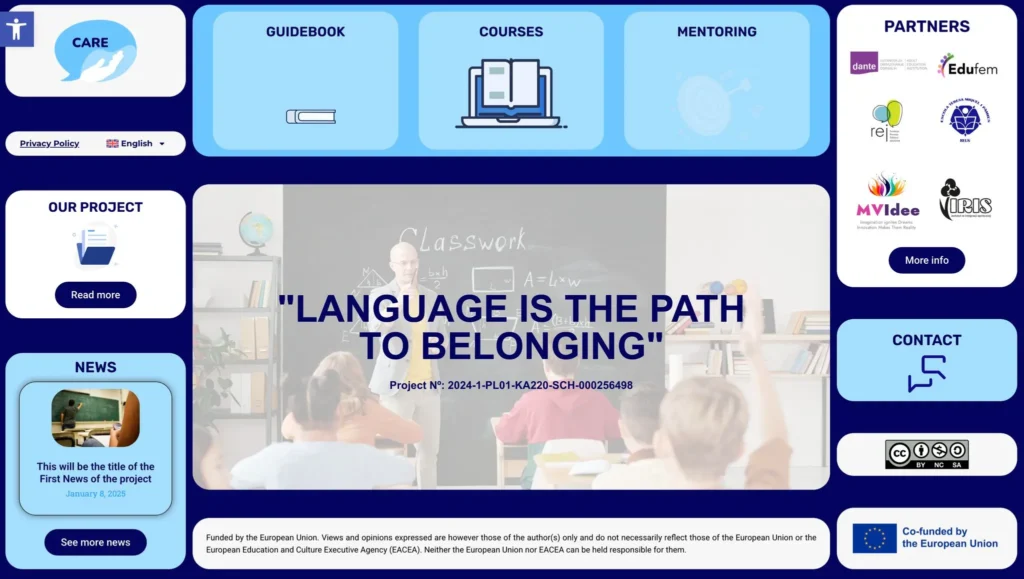
CARE - ONLINE PLATFORM
Feb 26, 2026
BUILDING INCLUSIVE CLASSROOMS
Feb 26, 2026
CARE Project Update!
Feb 26, 2026
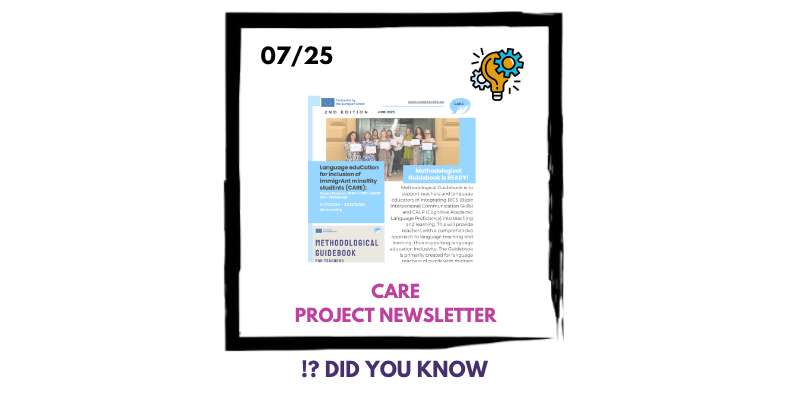
Erasmus plus project CARE Newsletter!
Feb 26, 2026
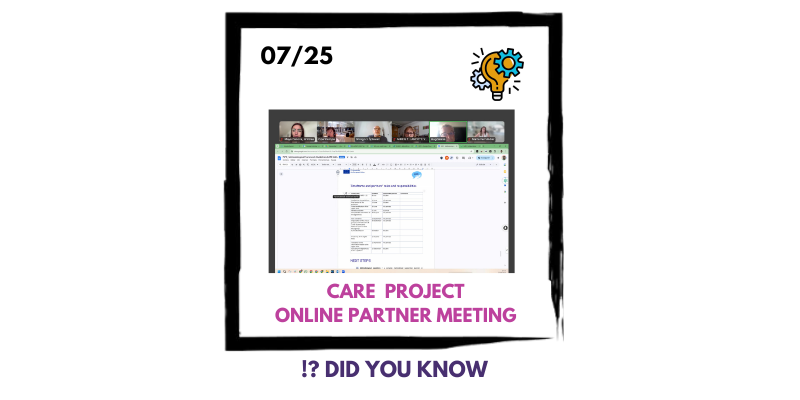
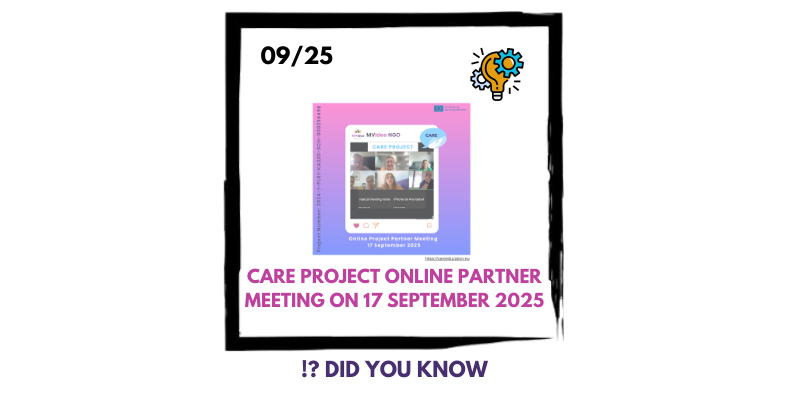
Online CARE Project Partner Meeting - June 2025
Feb 26, 2026
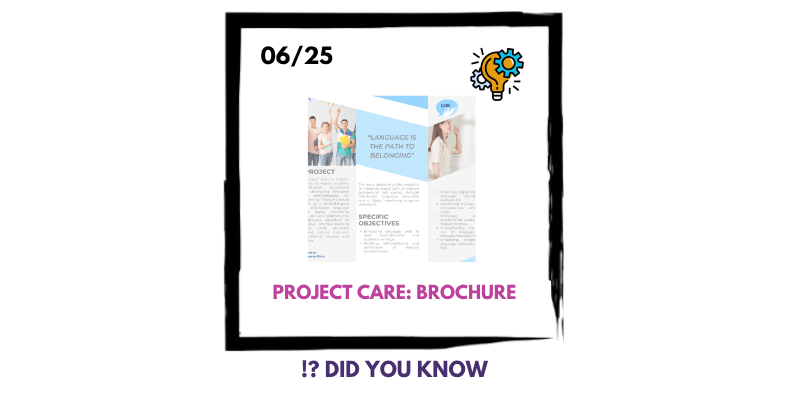
CARE Project Brochure - Now available!
Feb 26, 2026
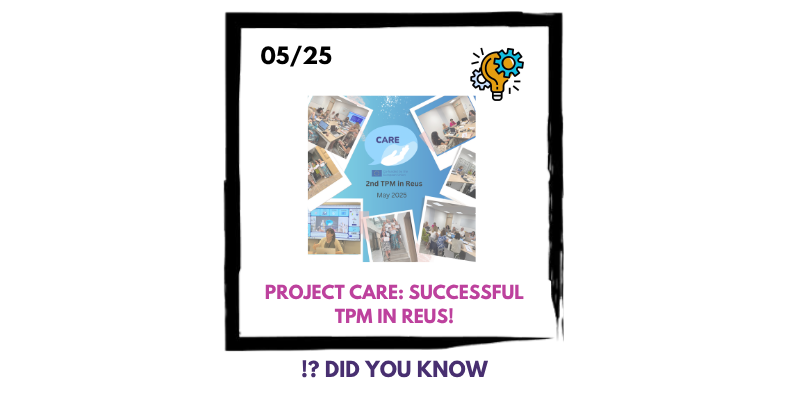
The CARE Transnational Project Meeting in Reus has successfully concluded!
Feb 26, 2026
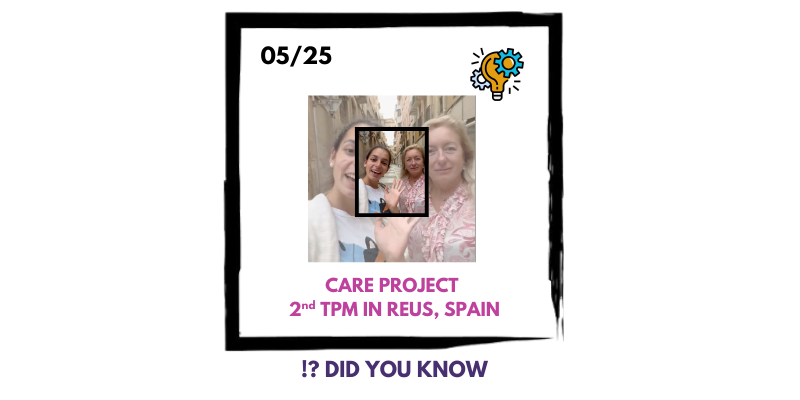
CARE Project - MVidee attending the 2nd Transnational Project Meeting in Reus, Spain
Feb 26, 2026
📚✨ New Resource Available: Methodological Guidebook for Teachers Supporting Migrant Students ✨📚
Feb 26, 2026
Desk Research Report - CARE project - now available!
Feb 26, 2026
CARE Project : Desk Research Resources available!
Feb 26, 2026
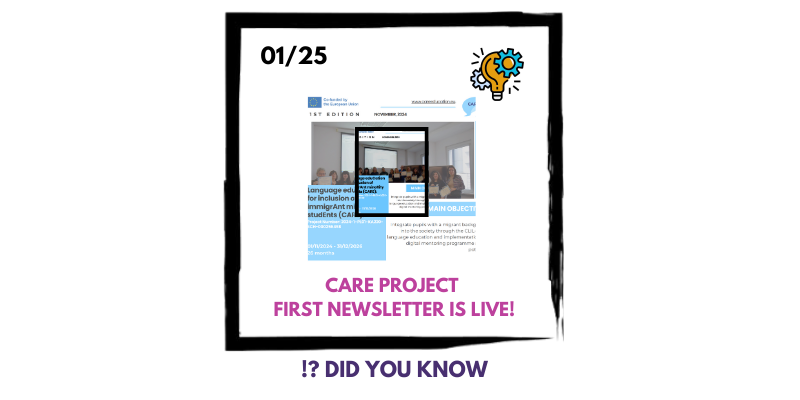
Project CARE - Our 1st Newsletter is here!
Feb 26, 2026
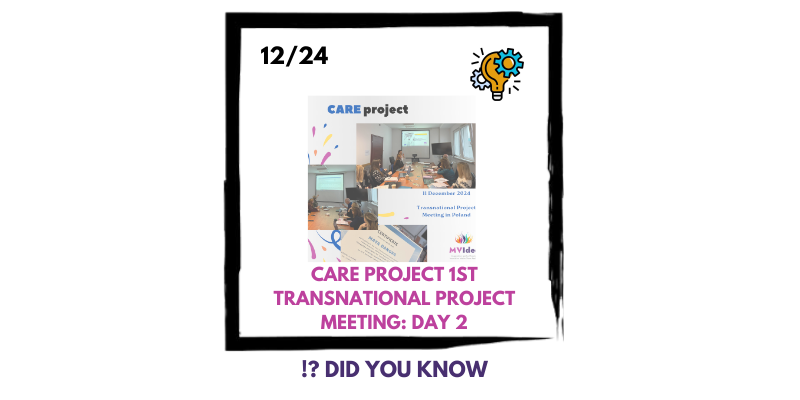
Day 2 of the 1st Transnational Project Meeting for our project CARE in Poland!
Feb 26, 2026
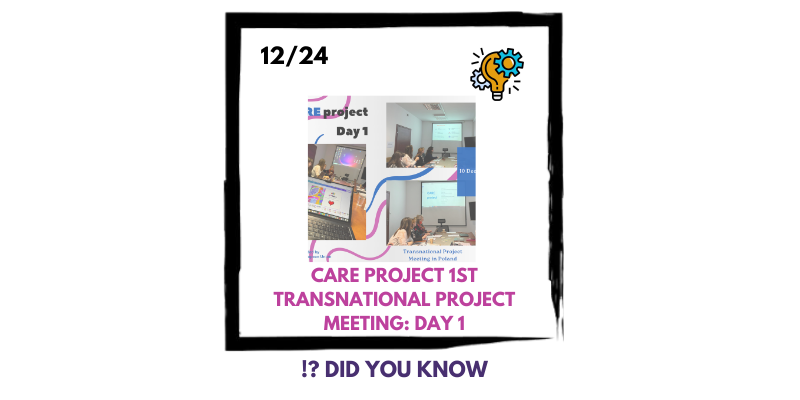
Day 1 of the 1st Transnational Project Meeting for our project CARE in Poland!
Feb 26, 2026
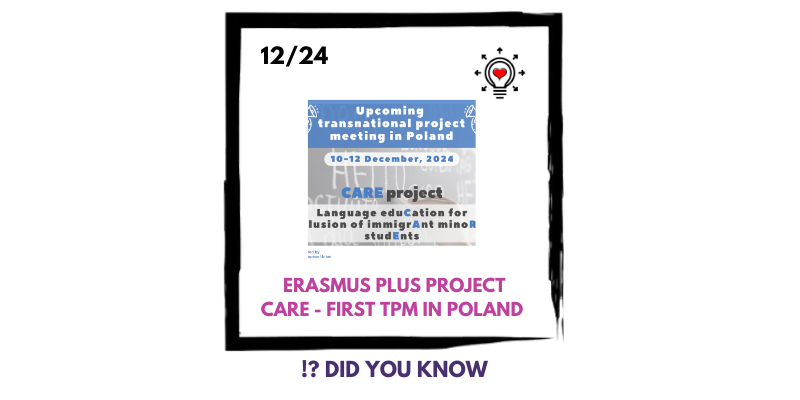
🌟 Kicking Off our new Erasmus+ #CARE Project! - Transnational Project Meeting in Poland

Funded by the European Union. Views and opinions expressed are however those of the author(s) only and do not necessarily reflect those of the European Union or the European Education and Culture Executive Agency (EACEA). Neither the European Union nor EACEA can be held responsible for them.